If you don’t know what a “first look” is, it’s a moment before the wedding ceremony where the groom and bride see each other for the first time on their wedding day. It can be quite a stressful moment so it’s not hard to see why bride-to-be Kristen Dupree was a little nervous before her “first look” photoshoot. Lucky for her, there was someone there to help her relieve the stress – her 2-year-old Labrador retriever Zeke.
The dog had been hanging out with the groom and groomsmen all day and joined Kristen on her photoshoot. Photographer Perri Farlow of Farlow Photography captured this moment and the adorable photos quickly went viral.
In an interview with Bored Panda, Perri said it’s not uncommon for couples to bring their pets to engagement sessions but seeing them on wedding days doesn’t happen often. That’s why when Kristen asked to do the photoshoot with Zeke, the photographer got very excited.
“I love when couples incorporate their pets into portrait sessions and weddings,” said Perri. “Pets bring out such honest, authentic emotion from their owners, making it so easy to capture the genuine joy they feel when they’re with their beloved pets.”
This wasn’t the first time Zeke posed in front of Perri’s camera – the couple brought the dog to their engagement photoshoot as well. “He loved playing around but when it was time to pose for photos, he was obedient and did a perfect job. He really is the best boy,” said the photographer.
“Zeke was such a calming presence for both Kristen and Duncan,” added Perri. “They obviously love Zeke and he loves them back just as much.”
The photographer believes that including Zeke in their wedding was one of the most important things to the newlyweds – he even had a signature cocktail named after him and serve during the reception!
Zeke and Kristen have been best friends since the moment they met
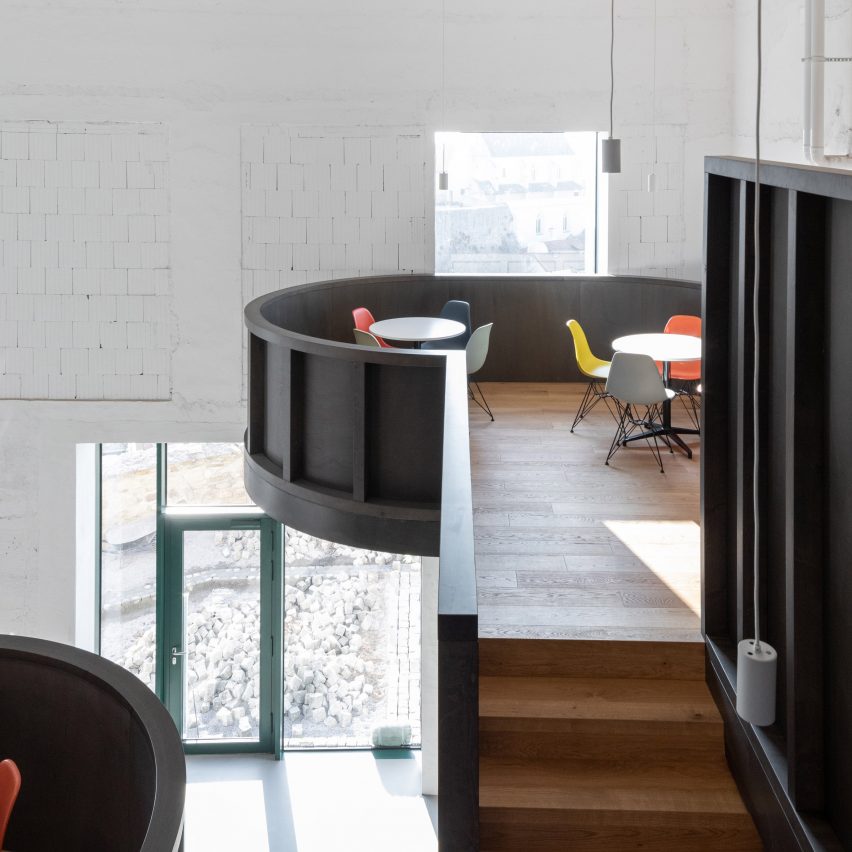
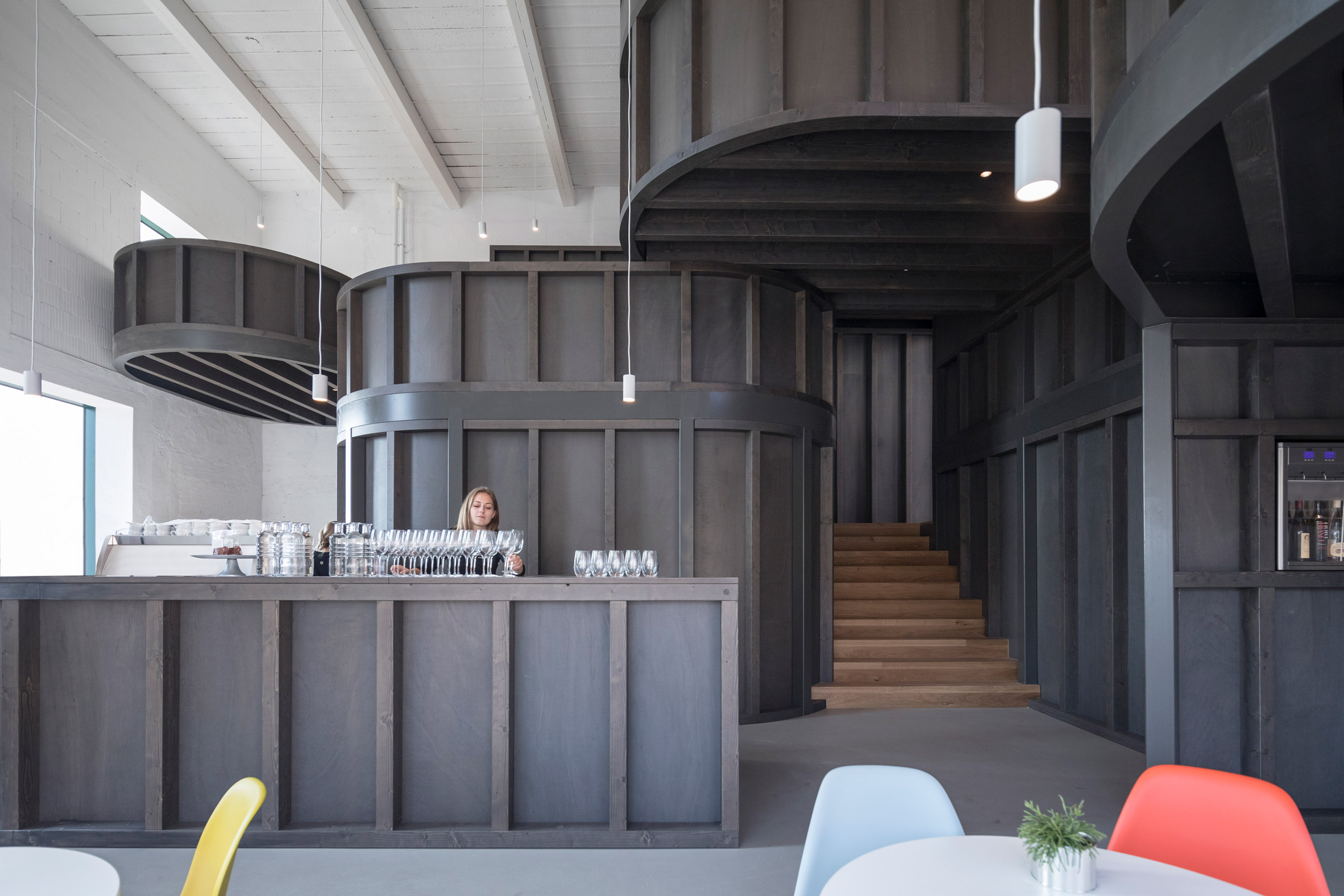
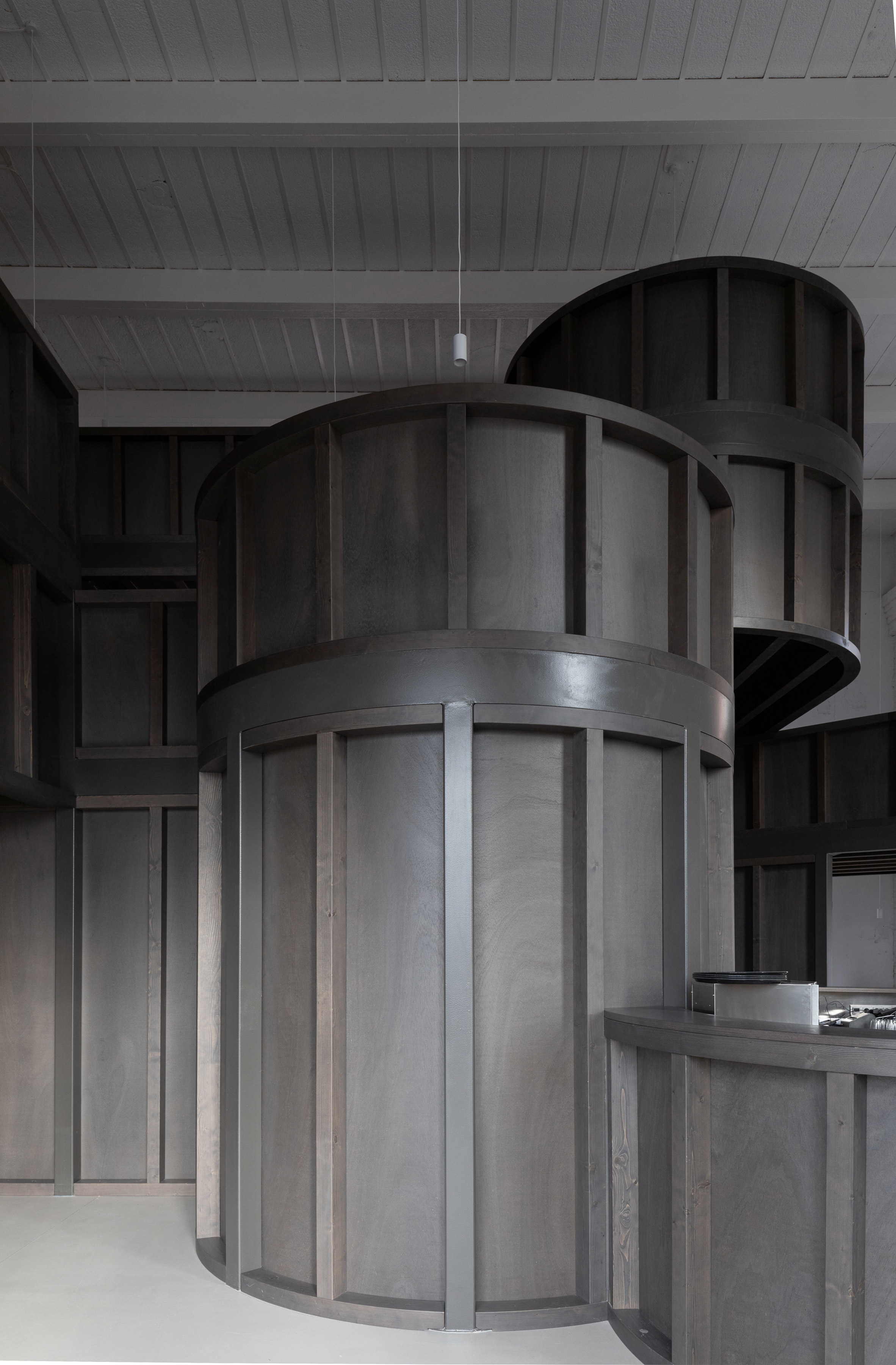
Curved wood-panelled volumes designed to recall traditional Moravian wine cellars are stacked up in this Czech wine bar to create intimate tasting rooms.
Located in Znojmo, a walled town in the Czech Republic's winemaking region of Moravia, House of Wine is a wine bar and tasting rooms designed by Czech architects Chybik + Kristof.
The bar occupies two buildings – a converted 19th-century brewery and its adjacent technical space, which was added to the structure in the 1970s. Both overlook a ninth-century chapel and neighbouring gothic church.
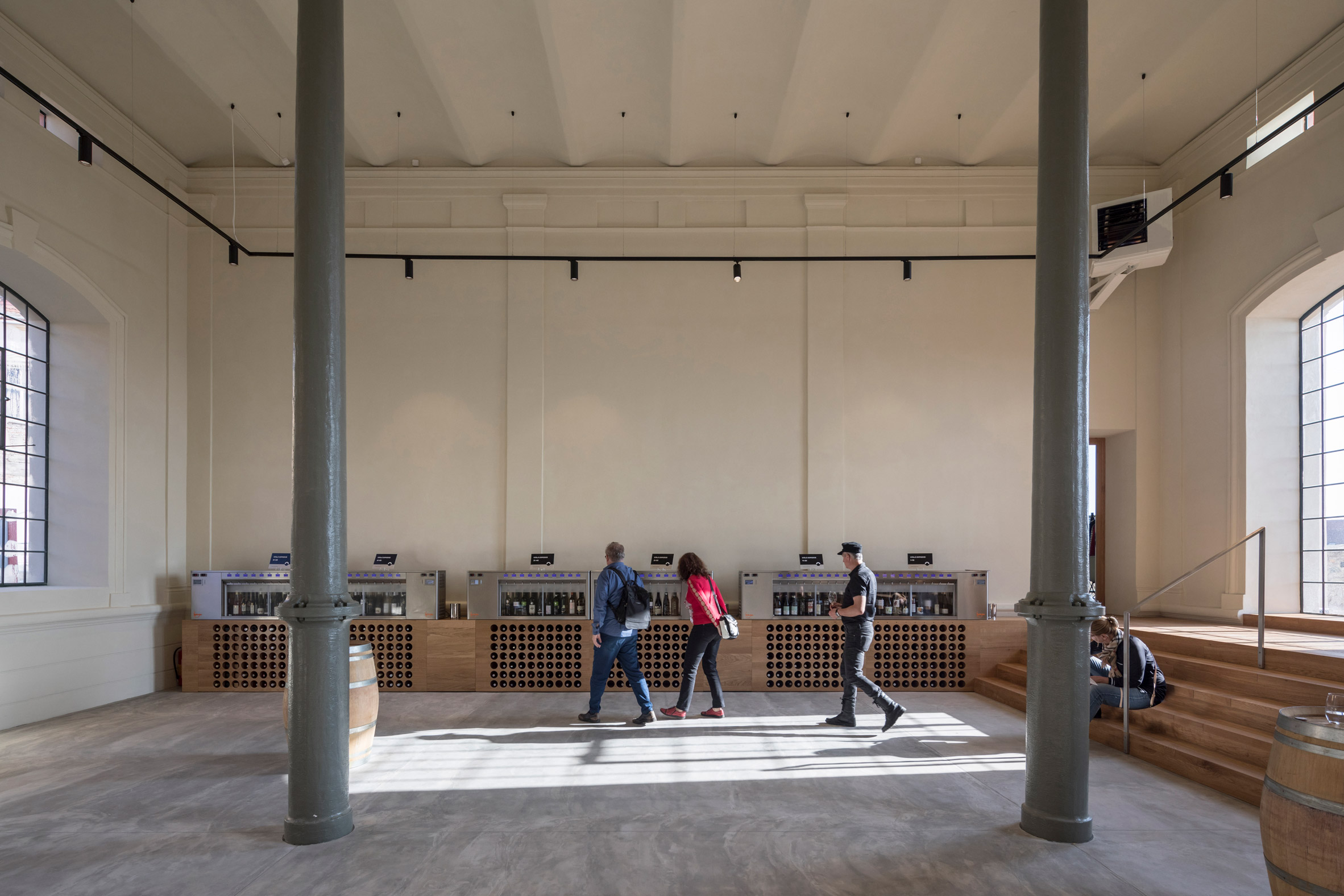
In the 19th-century brewery, the architects restored and preserved the building, reinventing the classical rectangular edifice as an exhibition space and wine bar where visitors can learn about the history of Moravian wine culture.
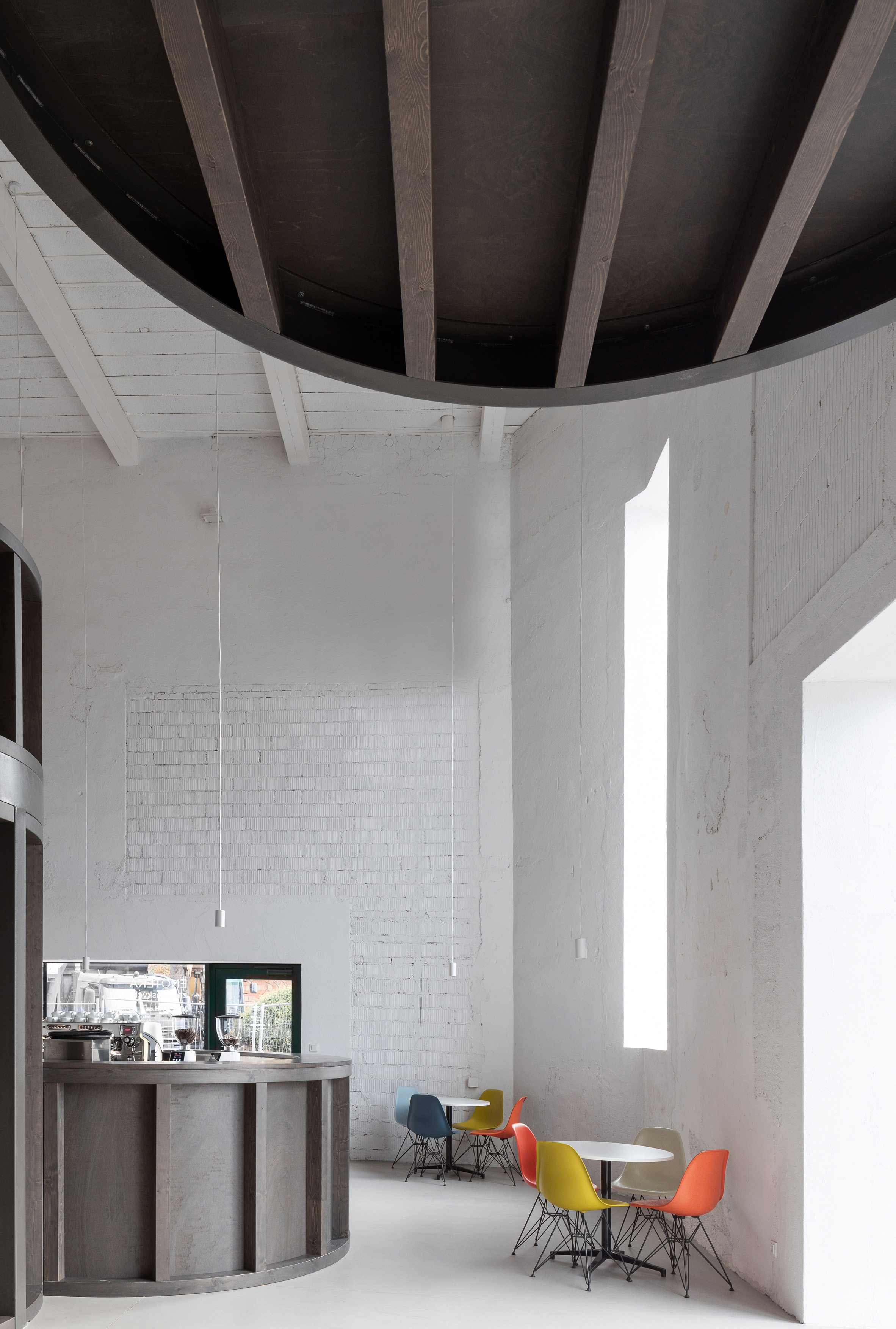
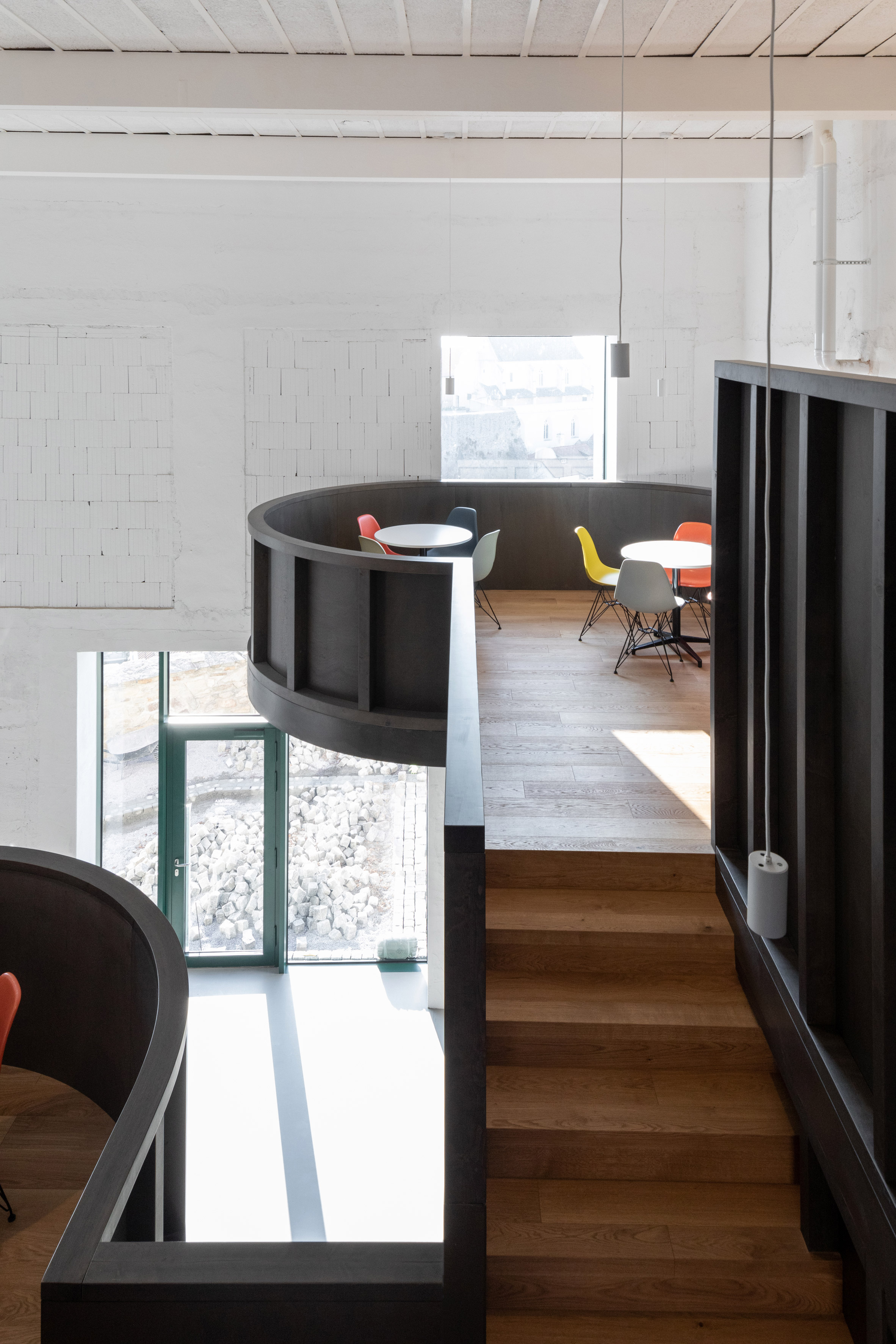
Meanwhile in the former technical hall, only the outer structure was preserved. The interior was completely gutted to create a double-height, all-white internal space dominated by a large wooden structure made up of stacked interconnecting platforms.
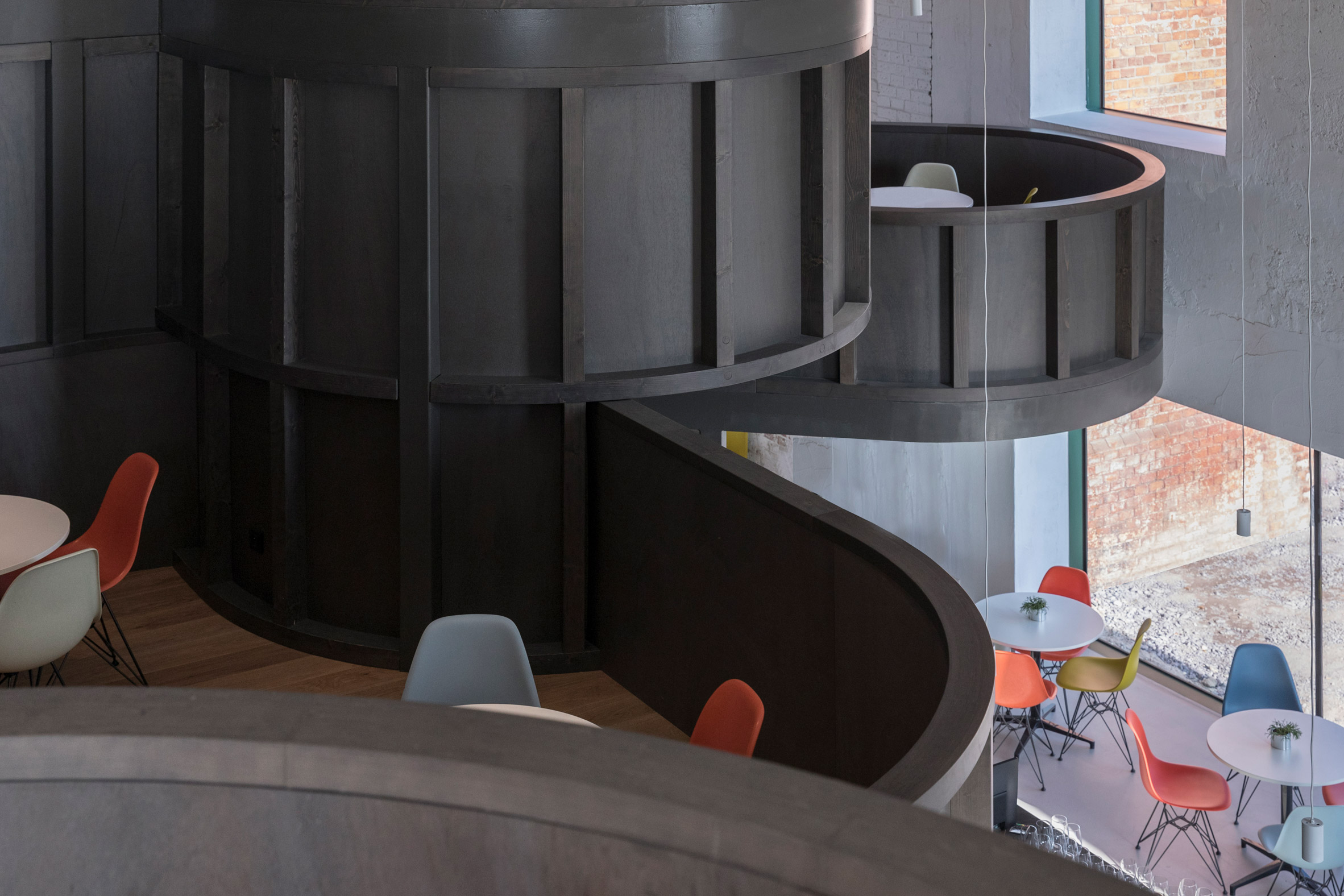
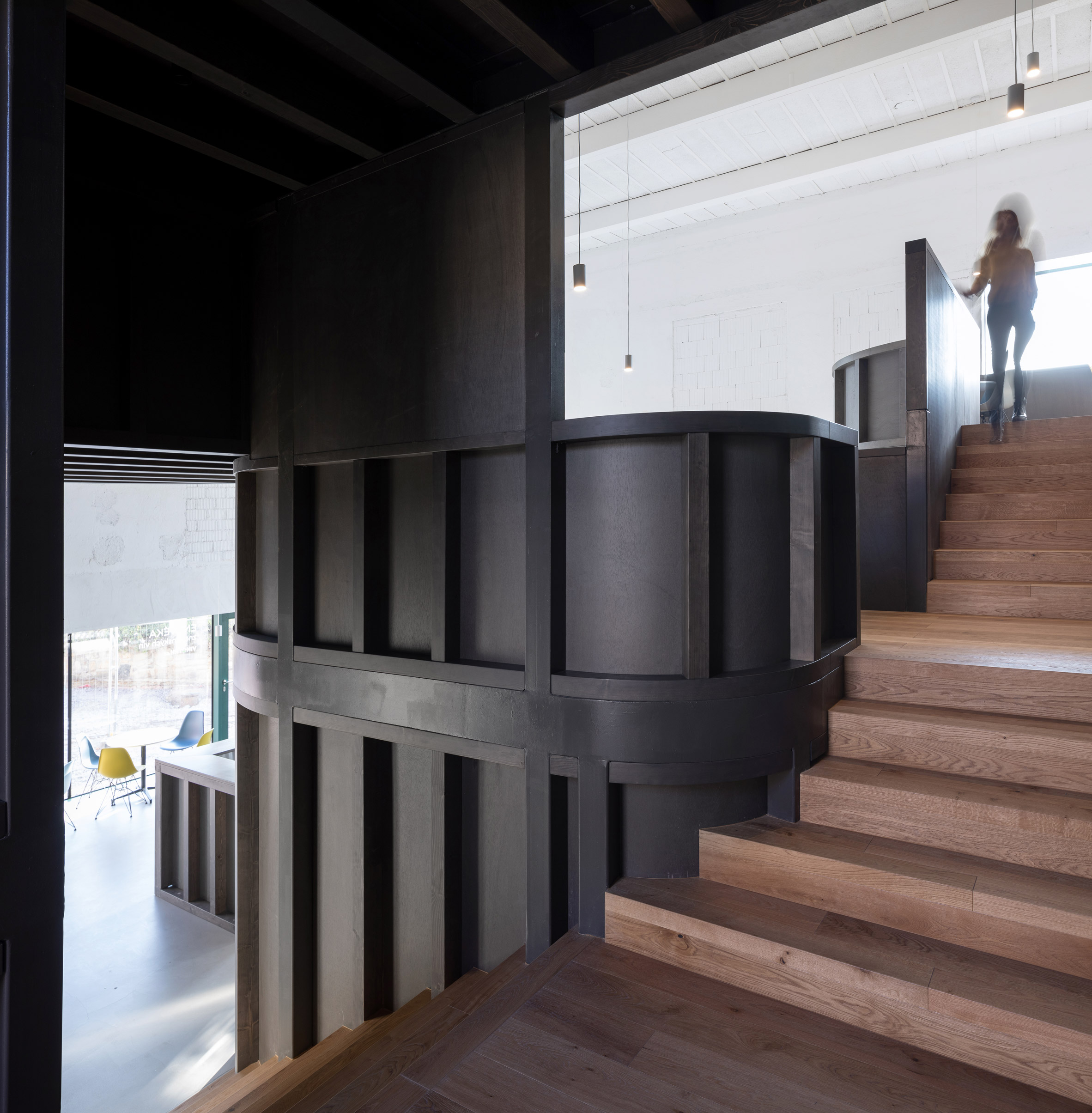
Made from steel profiles and spruce timber studs, the rounded volumes are set at different levels and connected by staircases.
Each one is clad internally with bent plywood and furnished with tables and chairs, providing elevated balconies for guests to sample wine while looking out across the space and through the building's windows.
The architects said they wanted the structure's internal spaces to recall the scale and atmosphere of the region's traditional wine cellars, which were made up of cave-like interconnected rooms.
"The spatial concept and shape of the wooden insertion is based on dividing an existing volume into a set of smaller spaces," the studio told Dezeen.
"These spaces have the same scale and irregularity as the historical wine caves dug into the rock in the region in the past."
The building's asymmetrical windows are distributed to reflect the division of the interior space into various rooms and to open the former technical hall up to views across to the neighbouring churches, the town and the river valley.
In turn, the colours of the surrounding landscape are reflected in the building's chalky beige facade.
"The House of Wine challenges traditional notions of restoration of historical buildings," said the studio's co-founder, Ondřej Chybík.
"The presence of two distinct structures, each with its own history and original function, inspired us to adopt likewise distinct approaches to renovation."
"On the one hand, we adhered to a rather orthodox restoration, based on preservation; on the other hand, we embrace a more experimental – and unusual – approach which fully rethinks the initial structure," he continued.
"In doing so, we immersed ourselves in the town's heritage and landscape, while establishing the House of Wine as a part, a reconciliation and a continuation of its architectural history."
With offices in Prague, Brno and Bratislava, Chybik + Kristof was founded in 2010 by Ondřej Chybík and Michal Krištof. The studio's previous projects include a furniture showroom in the Czech city of Brno which is clad with 900 plastic chairs.
The year in advertising kicked off with some hand-wringing around brand purpose, as Gillette got out of the traps early with an advertising storm, when it released its Best A Man Can Be ad, which addressed the idea of toxic masculine behaviour.
The spot, which featured a decidedly earnest tone, caused a backlash from the off, with critics from Piers Morgan to Mark Ritson decrying its message. In Marketing Week, Ritson described it as “brand purpose hell”, while Rory Sutherland told CR that the ad “stepped into the point of actually demonising males”. “If you want to win the argument, don’t stigmatise a group of people on the basis of their identity,” he continued.
Gillette exposed one of the major risks of brands taking a purpose approach – that their audience might not want a brand to tell them what to do or to think. And it demonstrated a recognised development in brand purpose in 2019 – that just saying something in an ad is not enough. “Marketing and advertising will only get you so far,” Wieden + Kennedy London ECD Iain Tait told CR. “You need to commit. Get behind something. Make it happen. And keep doing it. Because if you’re just doing it for the likes you’ll get busted.”
Nick Asbury sees this evolution in brand purpose as a positive one, but in an article for CR proposed that brands go further and examine what the role of being ‘good’ is in their business. He advocates a move away from the notion that “doing good is good business”, but without throwing out the idea that businesses can bring huge benefits to the world. As ever, what is required is some honesty. “Rather than this strained talk of ‘brand purpose’, how refreshing it would be to hear business people talk about the ongoing tension between succeeding in a competitive market and trying to do the right thing as a company,” says Asbury. “Recognising that the tension exists is the first step towards doing good. The simple intellectual honesty of it is hugely liberating.”
Oatly ad with a ‘meta’ approach
IT’S ALL A BIT META INNIT?
Elsewhere, a number of brands decided to dispense with earnest messaging altogether this year, instead opting to use their advertising to point out that we all know advertising is nonsense (but while still ultimately pleading that we keep buying their products anyway).
Perhaps the most bolshy of these was Brewdog (see top) , which created a veneer of rebellion with a TV spot that ran during Game of Thrones billed as “the most honest ad you’ll ever see”, as well as series of billboard ads.
It could be argued that it is the preachy tone of brand purpose that has led us so far in the other direction, as the creative director for Oatly – another brand that embraces the meta approach – explained to CR. “There’s an attempt to be more honest with how people feel about ads that are popping up in their lives uninvited. Like real people we’re deeply committed about things, and then on the weekend we’ll go to a karaoke club and make fools of ourselves. So one day we’ll do a campaign that tries to provoke people to stop drinking milk in Amsterdam, and the next will be complete nonsense. I think more than anything we wanted to be a brand that people wanted to hang out with, and rather than being preachy all the time, we vacillate.”
Of course, there is a risk that this knowingness will backfire on these brands. “It does feel like there’s an element of self-loathing behind it,” Nick Asbury told CR of the meta approach. “Maybe there are more creatives around who fundamentally don’t believe in advertising. But drawing attention to the process with meta-ness is a risky approach. With public speaking they say you should never apologise for being nervous, because it draws more attention to you as a speaker. Meta-advertising is similar to that – it draws attention to the process in a way that is meant to charm people, but probably just annoys them. Just get on and advertise, it’s fine.”
THE WAY WE WERE
Beyond the somewhat cynical tone of the meta ad trend, there remained a firm trend for nostalgia creeping through marketing this year, as we saw the return of yet more much-loved childhood ad characters (hi, Fido Dido!), and the rerelease by Hovis of its famous Boy on a Bike ad, an ad that felt nostalgic on its first release, in 1973.
While it’s uncertain quite who the Hovis ad is aimed at now (apart from those who love a list programme of the best ads of all time, where it will always appear, alongside the Smash martians), one brand that got the use of nostalgia bang on was Spotify, whose ad campaign (by Who Wot Why) brilliantly demonstrated the effects of ageing, and proved that looking back can be witty and smart and not all just rose-coloured spectacles.
A CRISIS OF CREATIVITY?
In June, a new report from advertising body IPA suggested that creative effectiveness in advertising was in crisis. Billed somewhat dramatically by its author Peter Field as “the report I hoped I’d never have to write”, it suggested the link between work that is successful in creative awards shows and effectiveness was no longer nearly as strong as it once was.
Cue plenty of handwringing about whether creativity is as vital to advertising success as we’ve always thought it was. But delve deeper into the report – as columnist and newly appointed D&AD CEO Patrick Burgoyne did for CR – and the crisis is not so much in creativity itself but in the type of creativity that is awarded by the industry.
Burgoyne points out the move away from long-term brand building – a recognised key to marketing success – in favour of short-term goals in some of the most awarded work. And yes, purpose is found to be the culprit once more.
“At some awards shows, the balance has shifted too far away from the kind of long-term, brand-building, emotionally-engaging ads that underpin effectiveness,” he writes. “I suspect the at-times cynical rush toward ‘purpose’ has had a role here as creatives choose to honour work that makes them feel better about themselves but has questionable value for clients.”
The question is not so much about whether we should continue making marketing that places creativity at its core, but whether juries at award shows should think about what they awarding and question its success in the wider world, rather than opting for ads that make them feel good about the industry they are in. “Jurors, your future is in your hands,” concludes Burgoyne.
SO HOW DO WE MAKE ADVERTISING BETTER?
As usual, there was plenty of discussion on why advertising continues to lack the shine and excitement that it once had. Of the reasons, in part this is due to a lack of risk, says Hermeti Balarin, ECD of Mother London, who talked to CR about the benefits of going bold.
Mother ad for KFC
“Advertising is turning into an AI, algorithm-generated bland thing that just bothers people around the internet,” he said. “If you’re not doing something, and waking up the next morning and rushing to Twitter to see if people are actually reacting, you’re contributing to the problem. Now more than ever we’re trying to convince our clients to lead the way, and be about creativity and spontaneity versus pleasing everyone and being like paint by numbers.”
Ben Kay put forward the argument that the industry had become too democratic and that a bit of single-mindedness was needed back in the game.
“The death of a thousand cuts of the past is now the death of ten thousand cuts,” he says. “That’s not to say that every new suggestion is a guaranteed compromise (some are very helpful), but the very act of being inclusive lends itself to dilution, and dilution is rarely the path to excellence.”
Posters from the Your Army Needs You ad campaign, created by Karmarama for the British Army, which proved controversial on its release in January
“In this new world, planners have the opportunity to create a valuable new role for themselves,” he says. “They used to get out into the field and bring the customer into the process. Now they also need to bring the boardroom into the process. Building a strong brand is no longer purely about producing great advertising. Someone needs to join the dots across the vast array of activations needed to build modern brands. Someone needs to be able to decipher the objectives, strategies, challenges and opportunities being discussed in the boardroom (and help shape them if necessary). They need to be able to take this complexity, simplify it, and work out where the opportunities for creativity are. And they need to be able to work with designers, art directors, writers and all the rest to create work that builds brands.”
We saw new opportunities presented by women’s football, which blew up this year with the Women’s World Cup, and were surprised to find that Pornhub proved to be one of the more creative outlets for brands to advertise in this year.
And if all else fails, we also learnt that you can always try and persuade your customers to wear your brand, as demonstrated in the release of unexpected garments such as the Dominos cape and the KFC Bucket Hat.
“For years we looked at a KFC bucket and wondered whether it would make a good hat … now we know,” said W+K Amsterdam copywriter Dasha Ovechkina and Creative Director Cal Al-Jorani on release of the latter.
On this basis, lord only knows what joys await us in 2020.
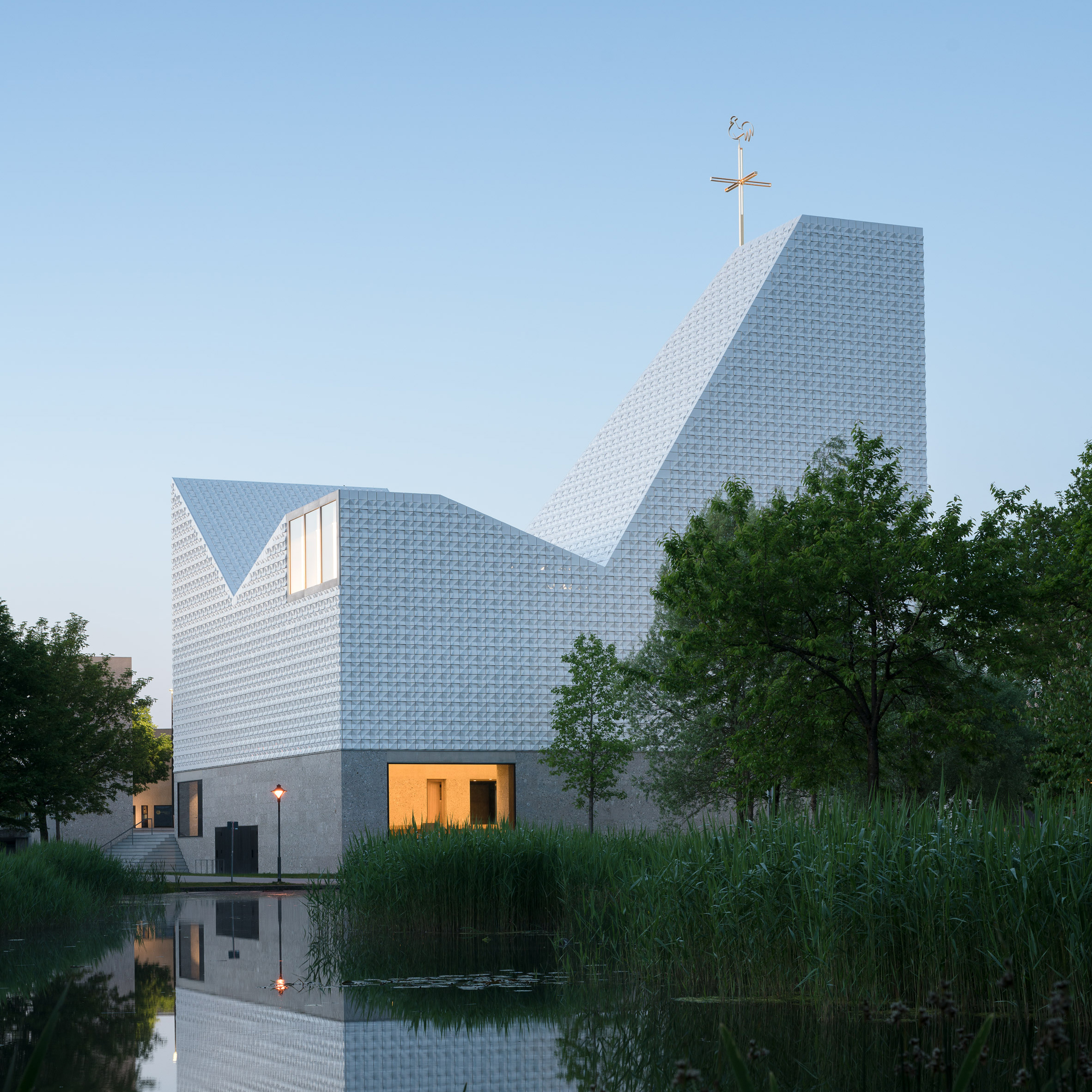
Built in the town of Poing, near Munich, the asymmetric ceramic-clad church was designed to be a landmark for the growing town.
Above a single-storey base made of grey, stone blocks, the church's roof is made from four geometric forms clad in 15,000 three-dimensional tiles, which each have a form that matches the overall shape of the building's roof.
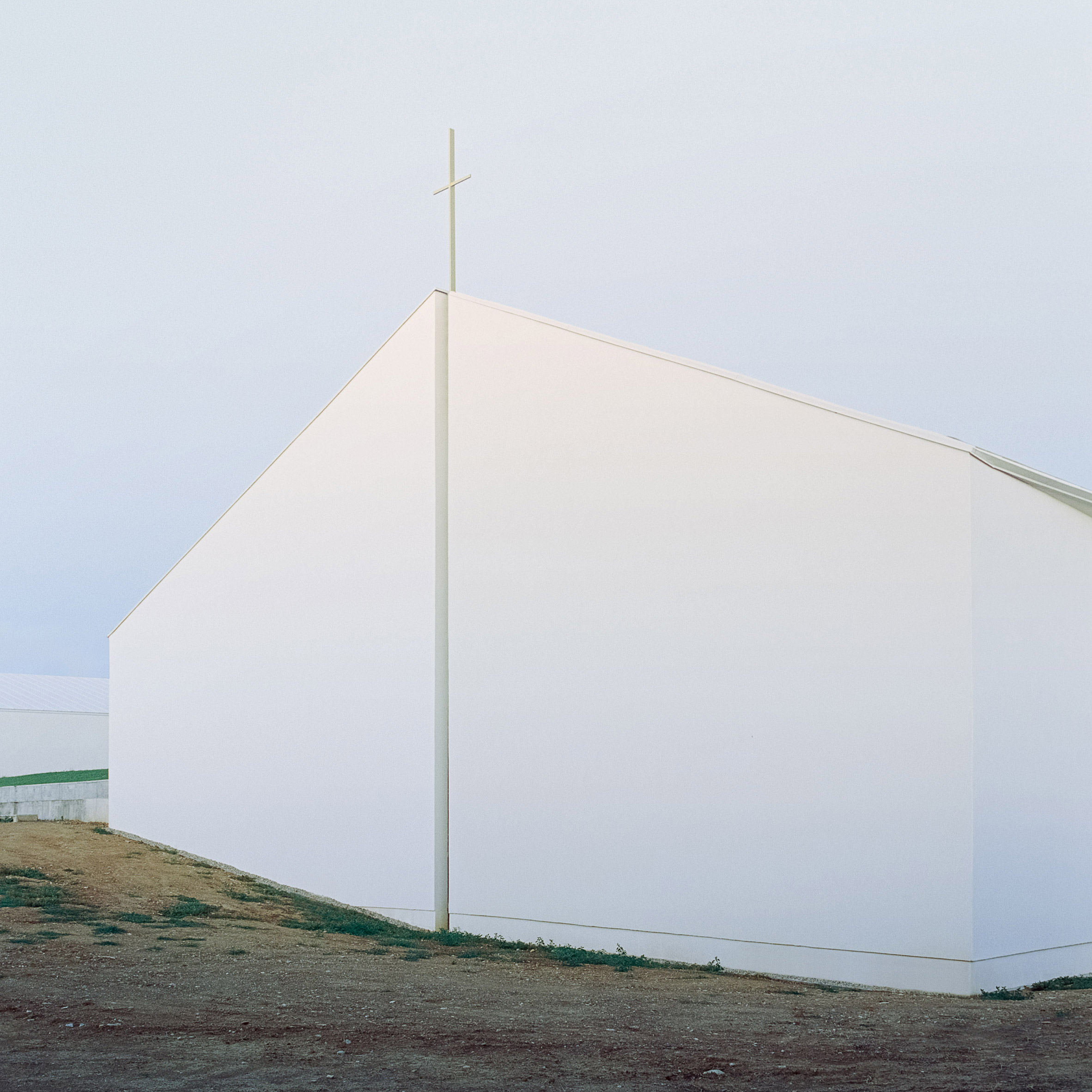
Built with the help of inmates from the La Dozza prison as part of their rehabilitation, the Church of the Penitent Thief has a stripped-back minimalist form.
The white church is divided in two by an inlaid glass cut that runs along the ridge of the building's roof and down both its facades.
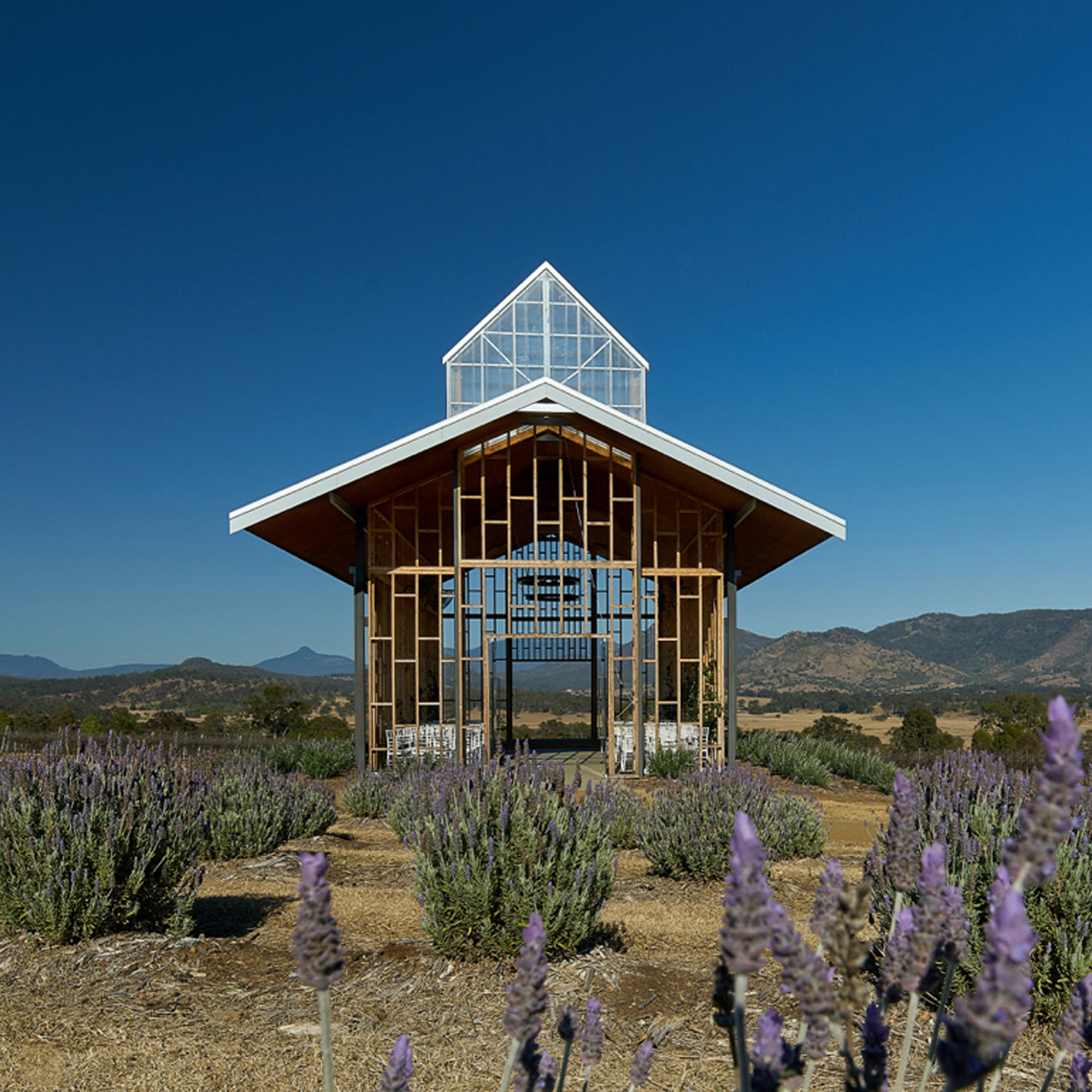
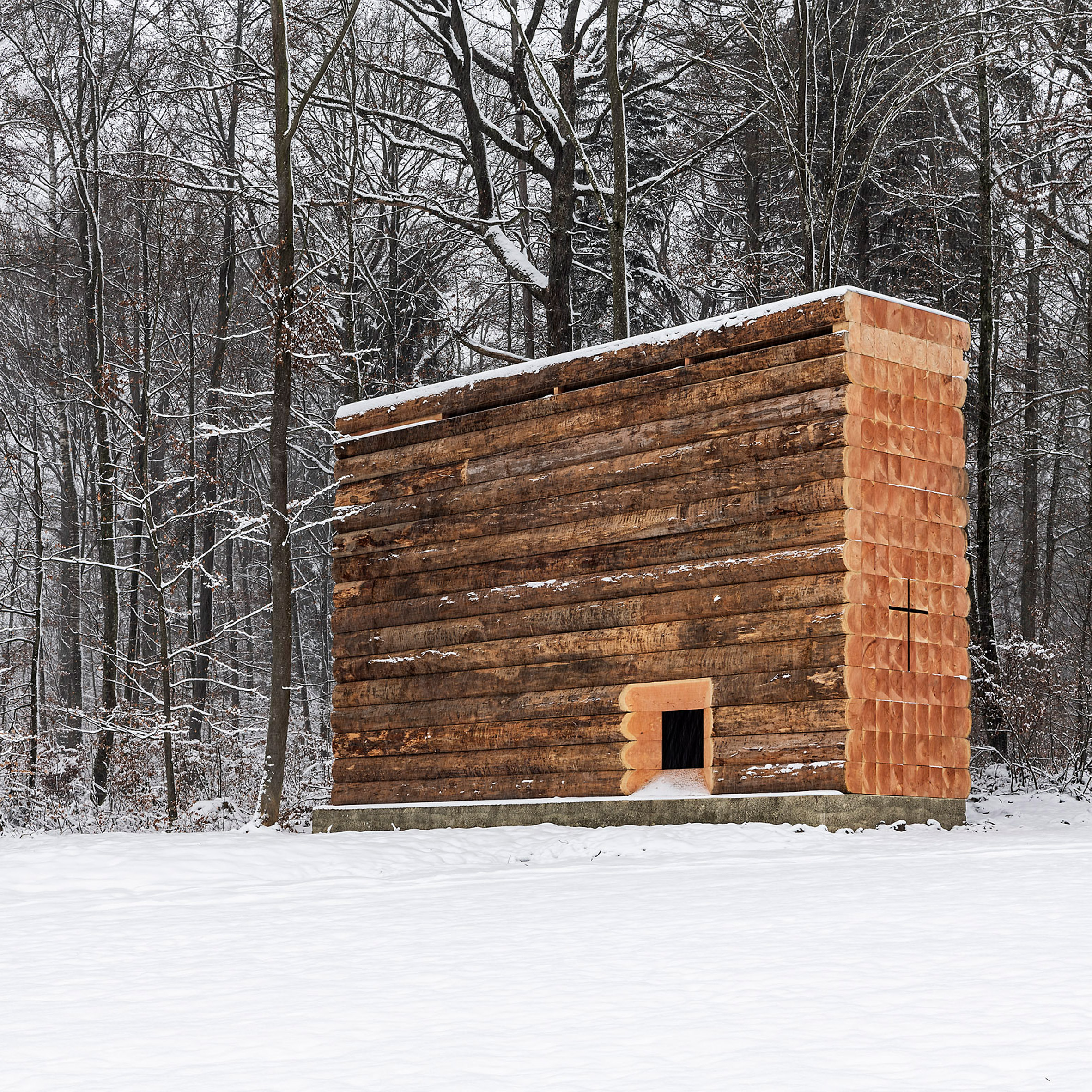
British designer John Pawson designed the wooden chapel as one of seven rest stops on a cycling path that runs through the Bavarian Forest in southern Germany.
The building is made from 144 stacked Douglas fir logs that are arranged so that they enclose a single room that is used for rest and contemplation.
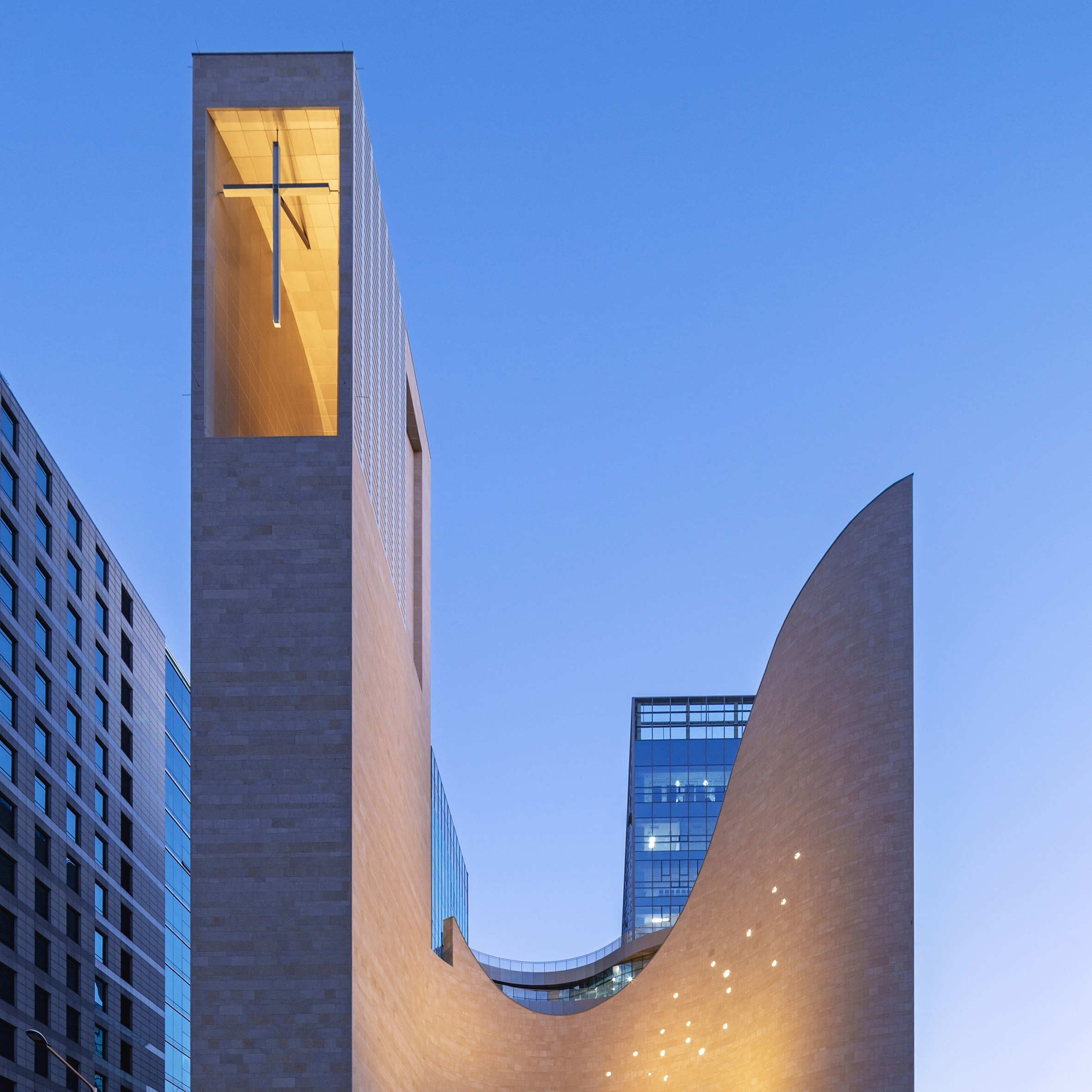
Seoinn Design Group designed this thirteen-storey building as the home for the oldest established protestant church in South Korea.
Know as the Mother Church, the building's main facade extends forward on either side of a plaza and rises to form two towers. One of these towers has been designed as a contemporary spire, with a cross hanging over an observatory.
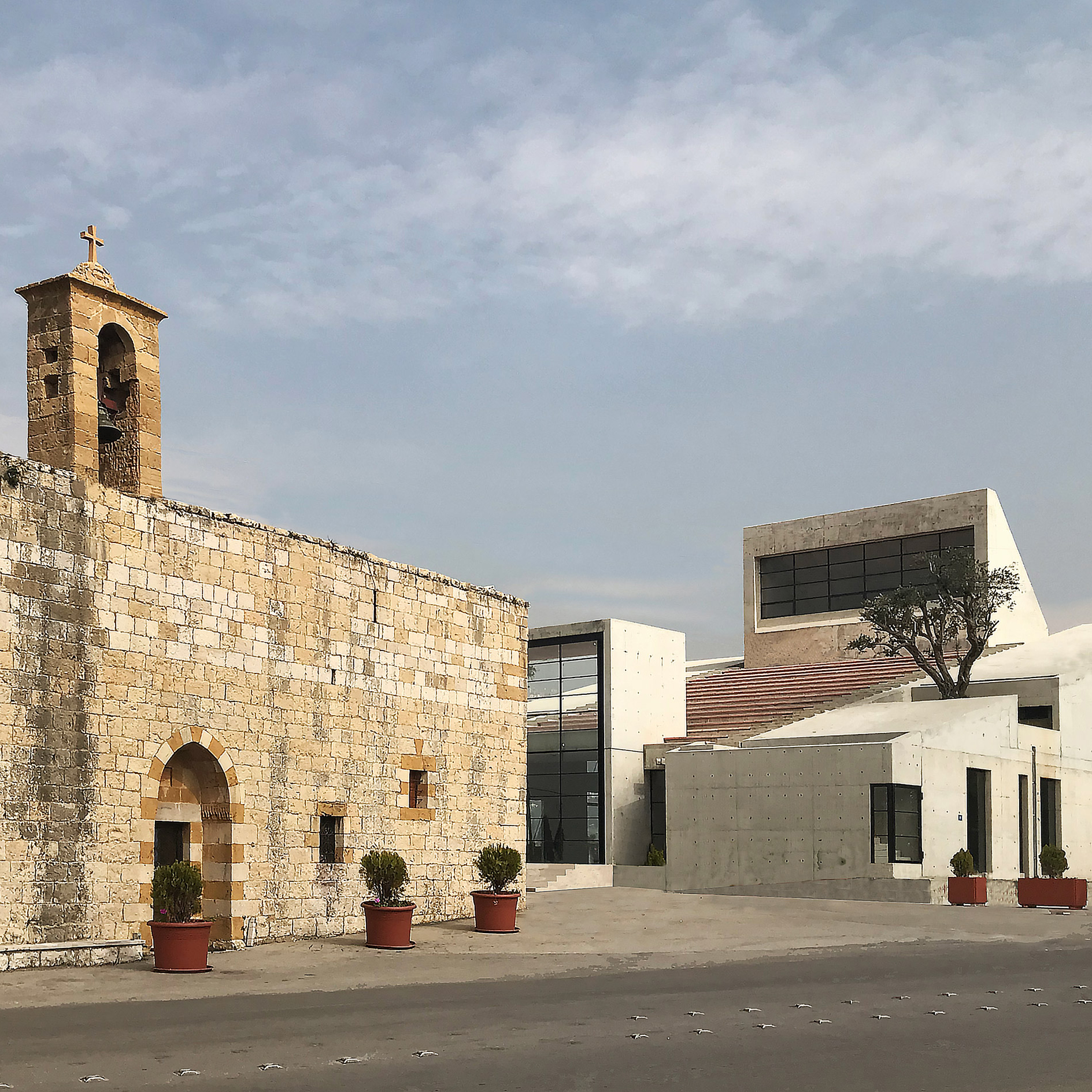
Blankpage Architects designed the Saint-Charbel Church in the small town of Zakrit overlooking the Mediterranean Sea to compliment a small, 18th-century, limestone chapel that it stands alongside.
The church has a wedge-shaped form that rises from the height of the existing chapel and is topped with a rooftop amphitheatre.
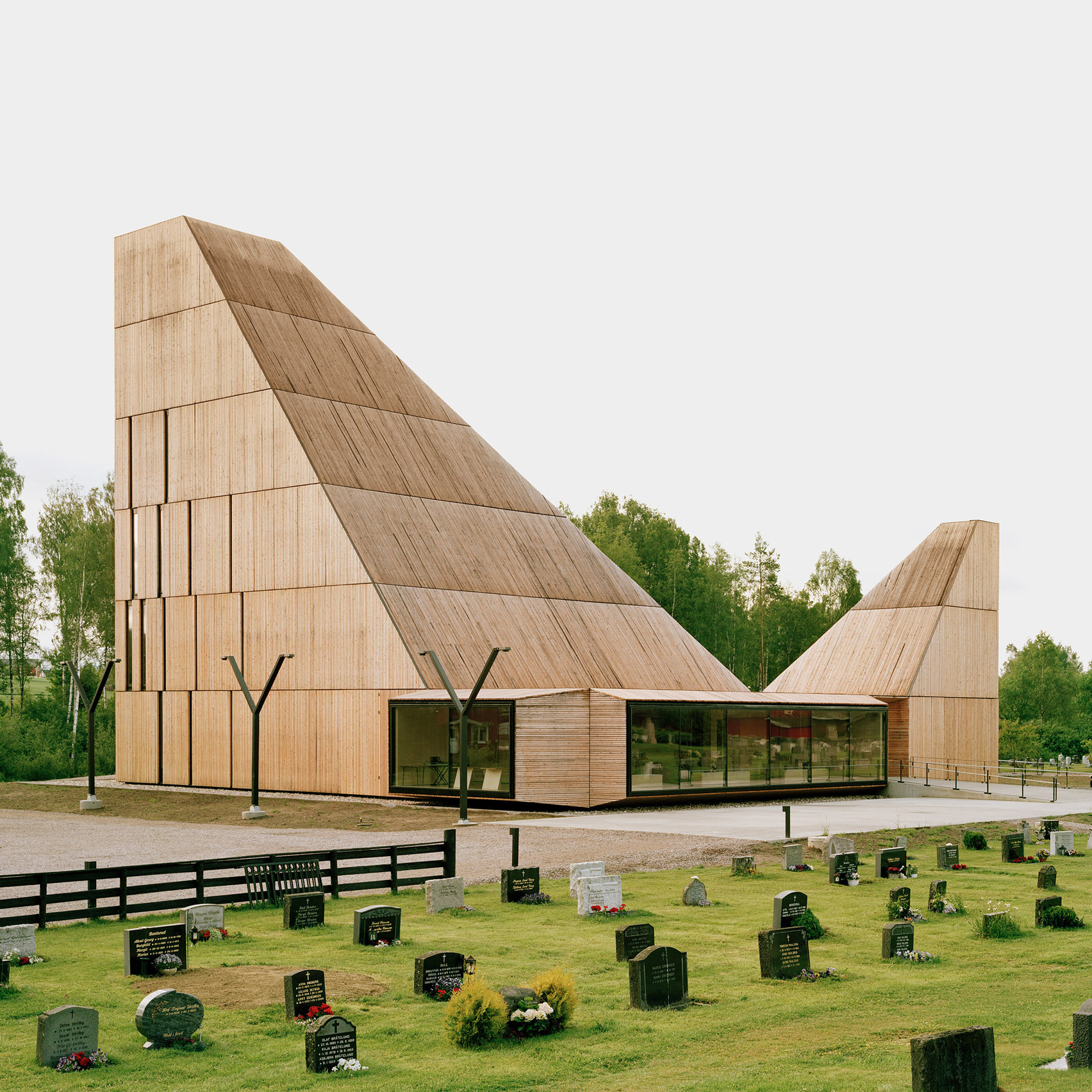
Replacing a historic wooden church that was destroyed by fire in 2009, the new Våler Kirke was designed by Espen Surnevik to honour the memory of the previous building.
The church, which is topped with two pyramidal timber roofs, was built on the existing procession axis and has its entrance aligned with the position of the previous 19th-century building.
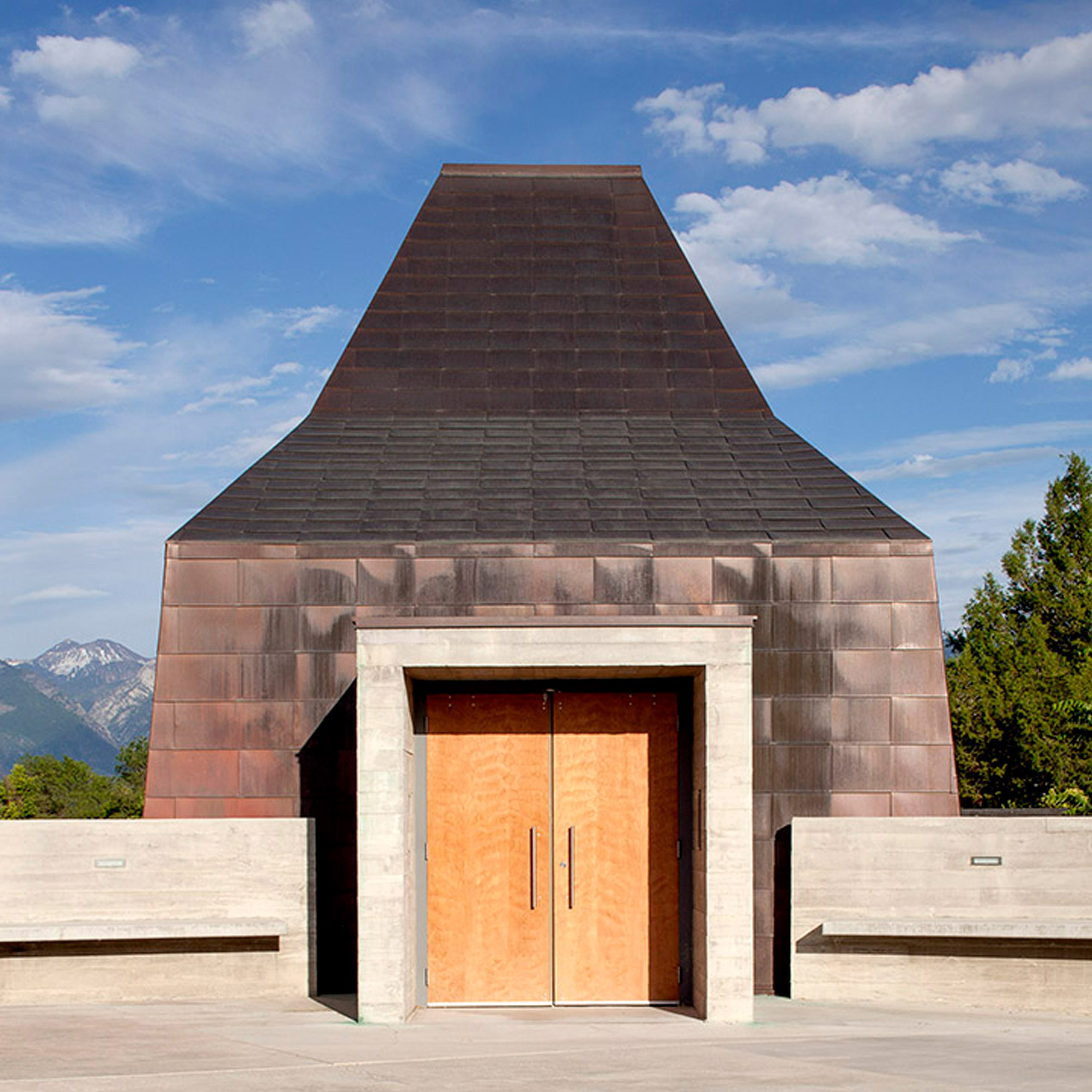
Built near Bingham Canyon Copper Mine – one of the largest mines in the world, in the West Jordan suburb of Salt Lake City, the chapel will be used for daily worship as part of the Saint Joseph the Worker Catholic Church.
The chapel has a funnel-shaped roof that is clad in copper and topped with a skylight.
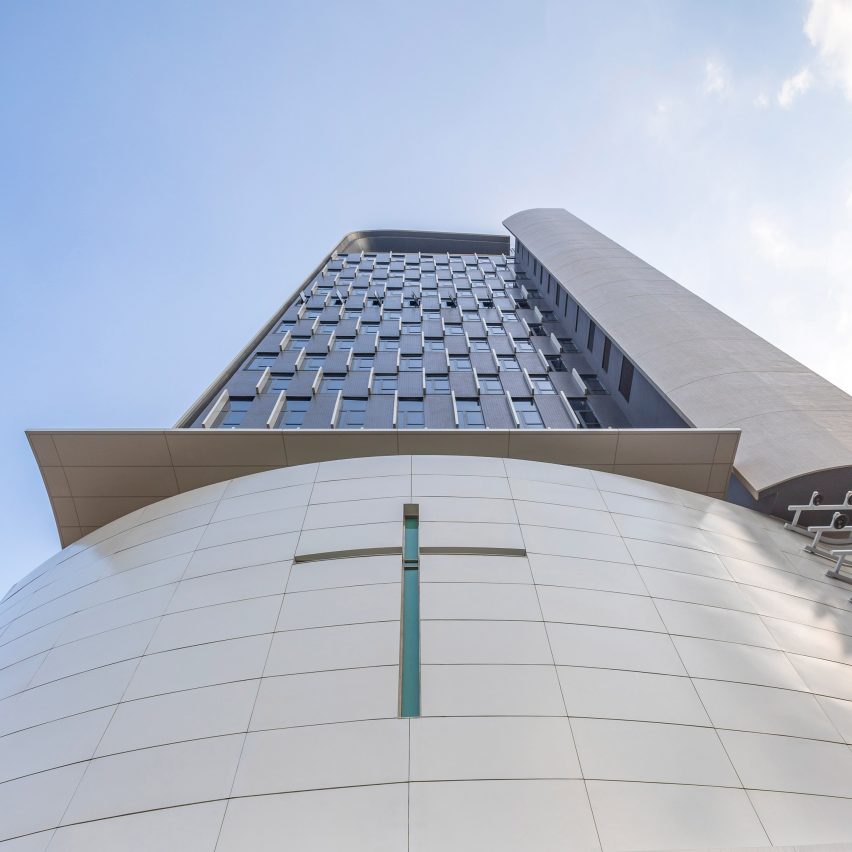
Described by its architect as "a vertical skyscraper church", the Wesleyan House Methodist International Church occupies the entirety of a 21-storey high-rise building in Hong Kong.
The majority of its public areas, including the main auditorium and worship hall, are located on the lower floors, while the tower is topped with a sky chapel.
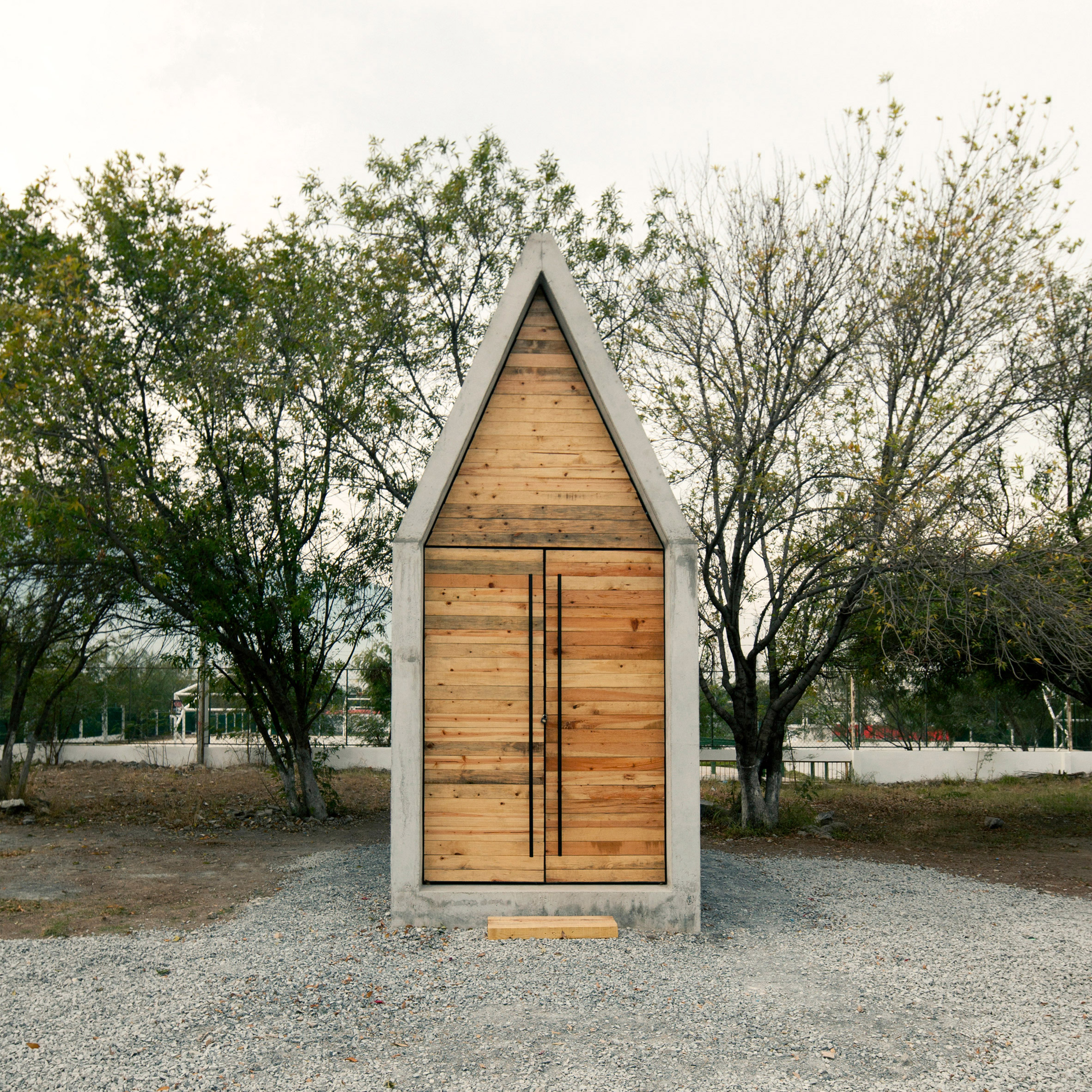
Mexican studio S-AR designed a small, 7.8-metre-square chapel alongside the existing San Rafael Arcangel church in the city of Monterrey.
The slim, pitched-roof chapel is made from reinforced concrete slabs, with a front wall made from pine boards. Inside the chapel is a single room with a simple, thin window and a bench made from pine.
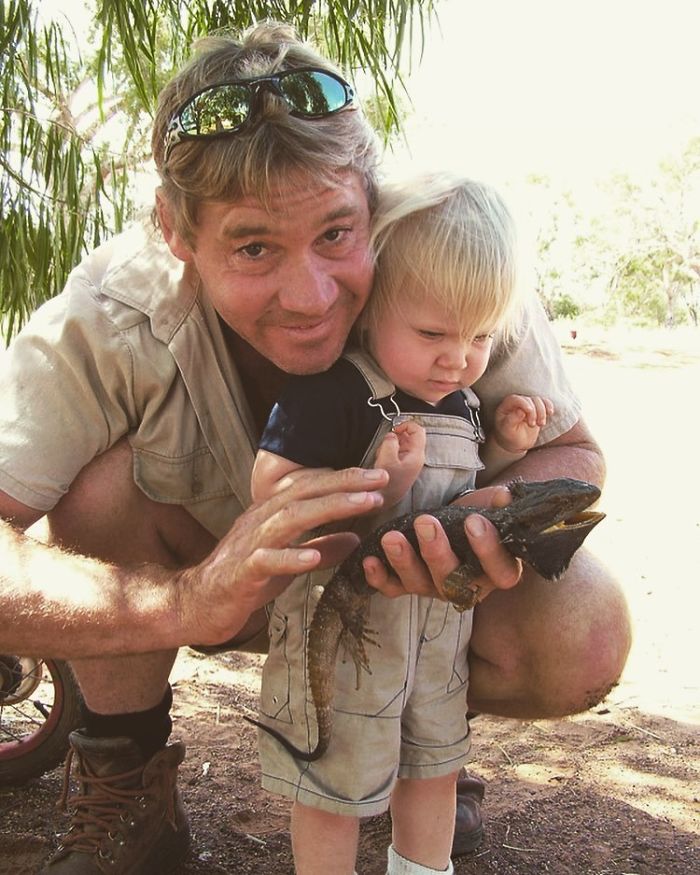
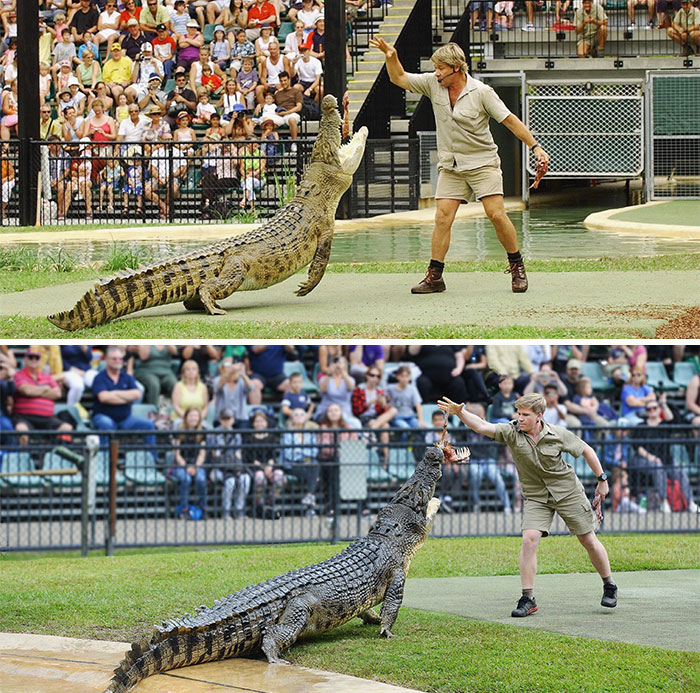
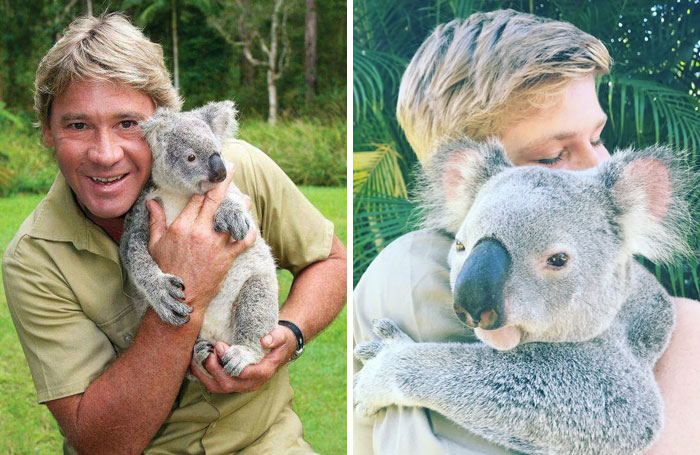
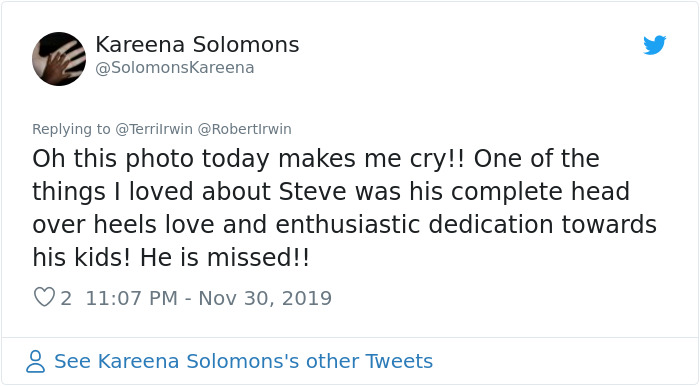
“The Crocodile Hunter”, Steve Irwin, is still remembered fondly all around the world. Despite his unfortunate passing in 2006, his memory lives on through his family, especially the children who picked up their father’s mission.
Robert Irwin celebrated his 16th birthday on the 1st of December by feeding crocodiles with the visitors at Australia Zoo. As the big day approached, many took time to send their best wishes to the young lad. Among them were, of course, his family.
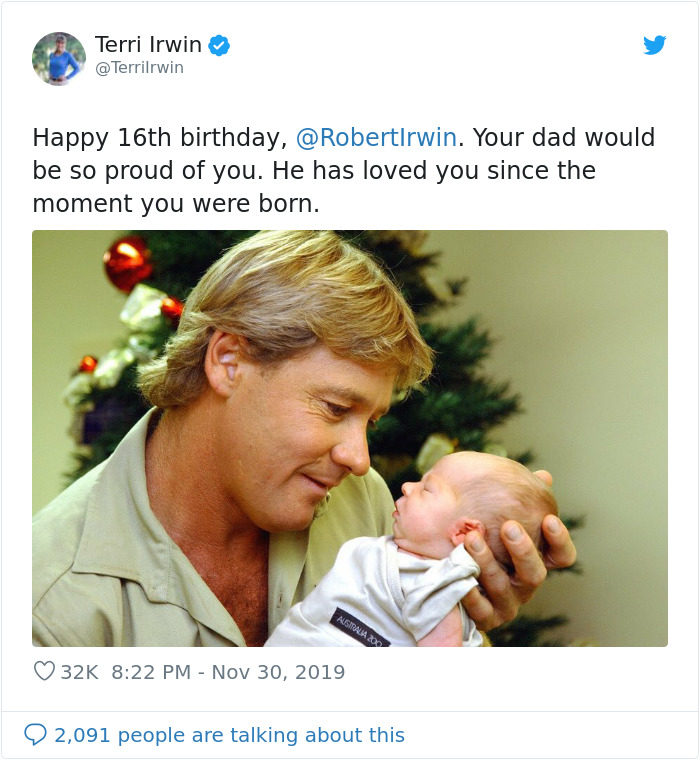
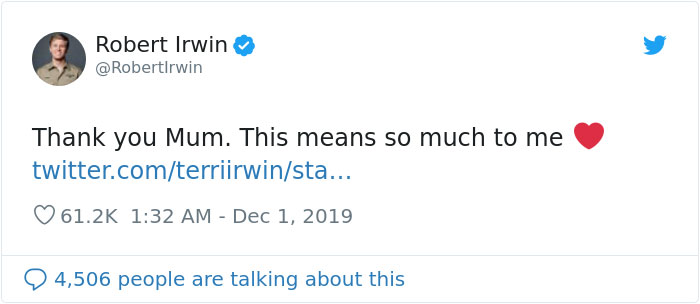
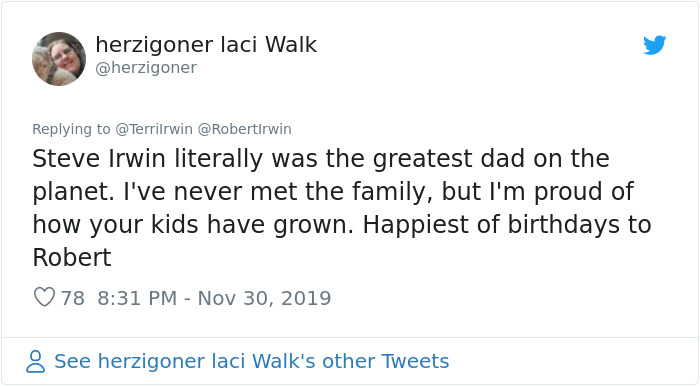
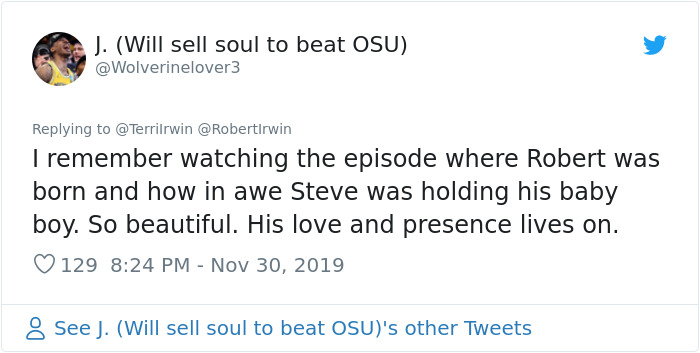
Robert’s mother Terri shared an especially heartwarming message on Twitter along a photo of Steve holding the newborn Rob. The mother expressed how much Steve would’ve been proud of his son and reiterated just how much his father loved him.
Just before Robert Irwin’s birthday, his mother Terri posted a touching message on Twitter
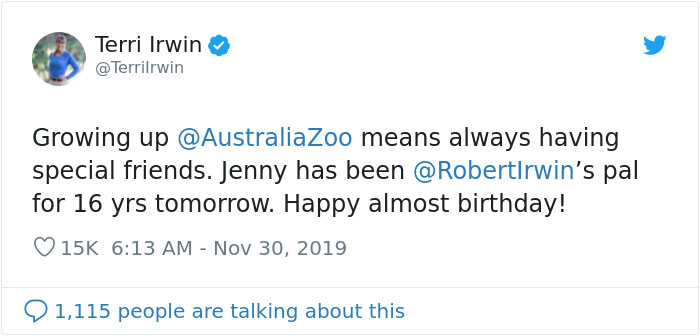
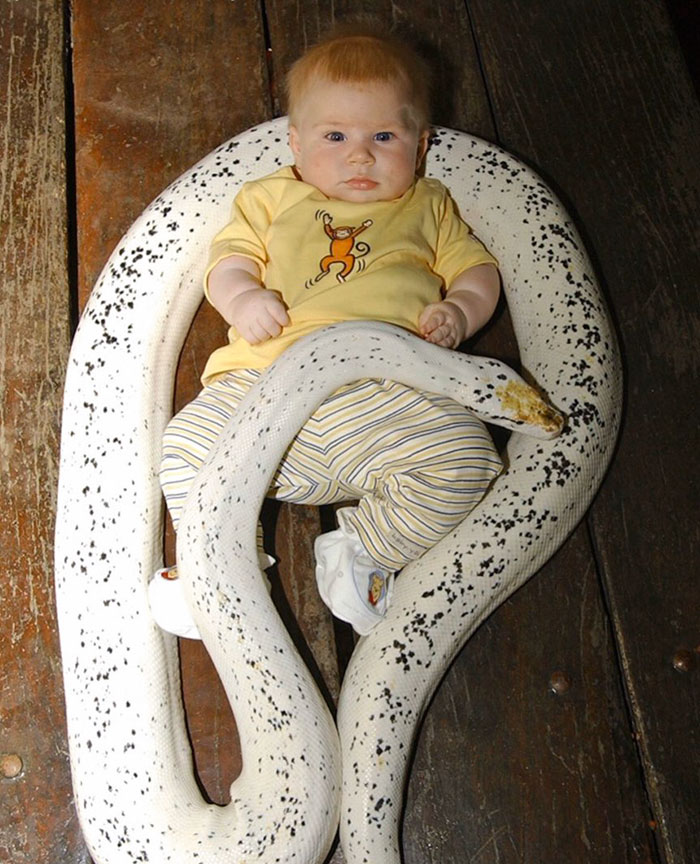
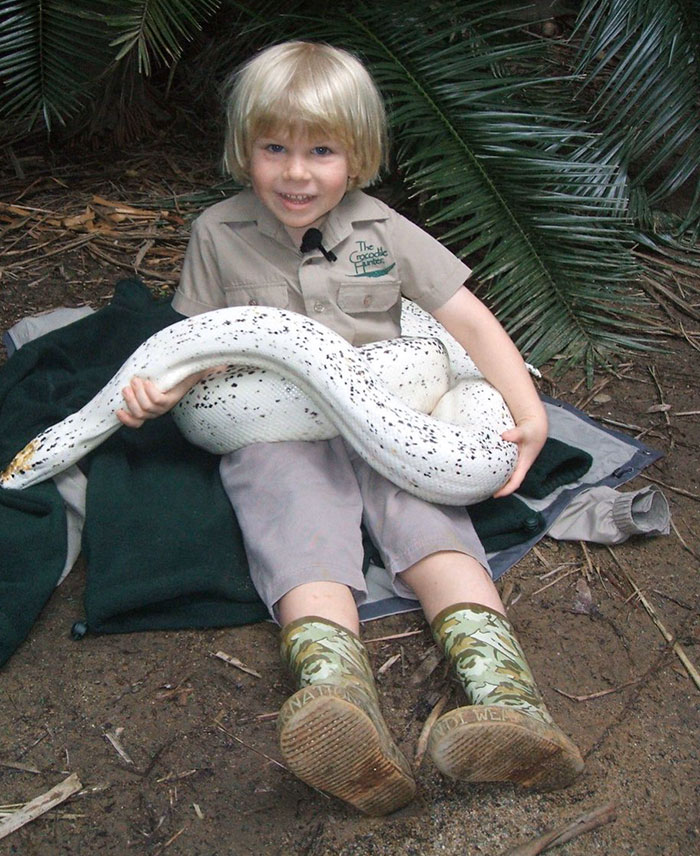
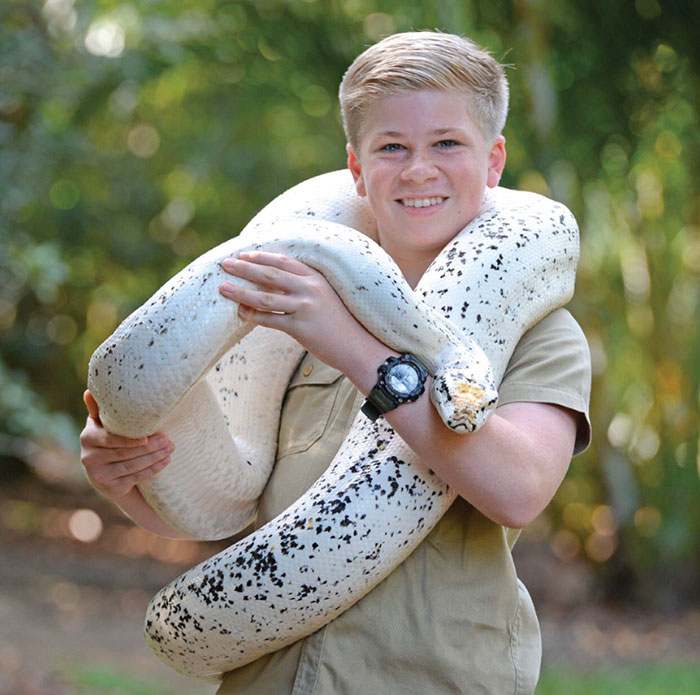
Terri also posted a series of unseen photos showcasing just how close Robert was to animals from his very first days. A snake named Jenny is wrapped around the toddler in the very first pic, followed by progress photos as the boy matured. “Jenny has been [Robert Irwin]’s pal for 16 yrs” Terri’s tweet read.
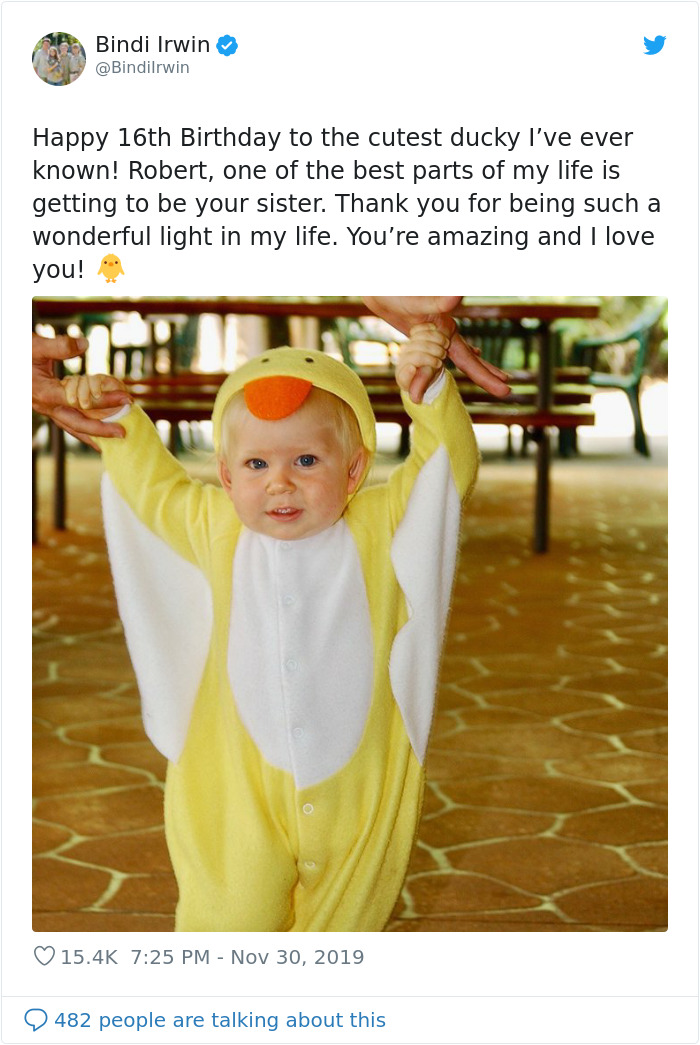
Robert’s sister, Bindi, also chimed in with an adorable photo of the boy from his childhood. Robert sports an adorable duck costume in the picture for which Bindi calls her brother “the cutest ducky [she’s] ever known”.
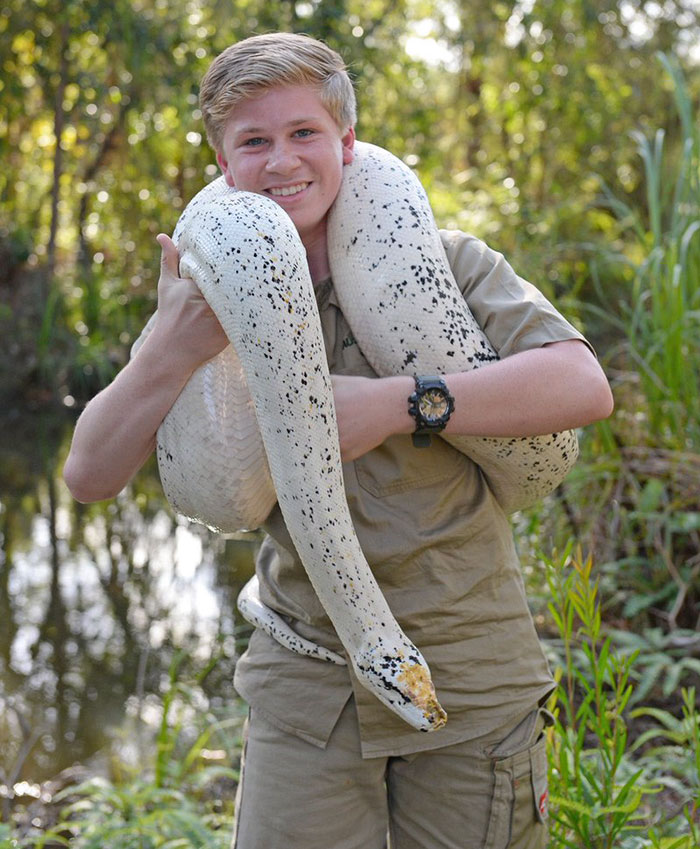
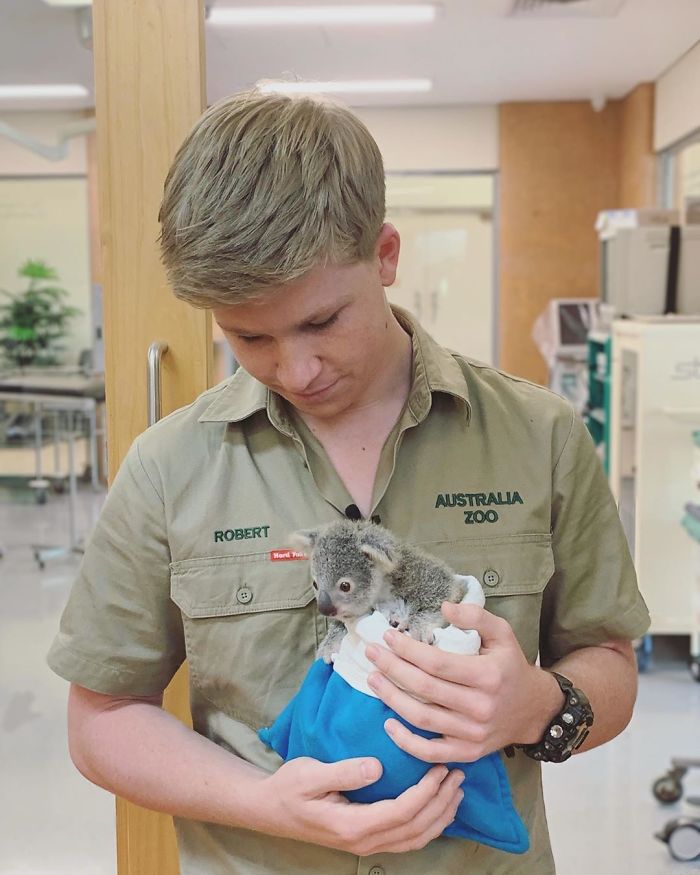
Robert Irwin picked up his father’s legacy and continued his work, becoming a television personality and wildlife photographer. Just last week he was seen at ARIA Awards red carpet event at The Star Sydney with a giant snake wrapped around his shoulders! Crikey!
The young man took a particular interest in photography, embarking upon photography expeditions around the world “from the Savannah of Africa to the mountains of New Zealand, the wilderness of Europe and everywhere in between the world”. He was also a runner up in the junior category of the 2016 Australian Geographic Nature Photographer of the Year competition. His photos have been praised by critics and fans alike.
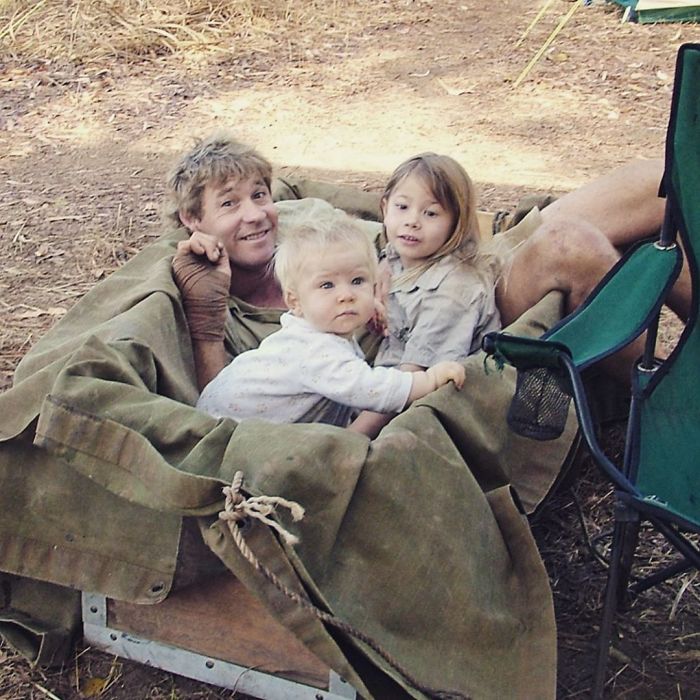
Who was excited to share the wonders of the animal world with his two children