Monday, December 2, 2019

South Korean Photographer Captures The Struggles Of Low-Income People Living In ‘Goshitels’, Says Living There Led To Depression

To foreigners, South Korea is known for its advanced technology, impressive skyscrapers, delicious food, and honorable traditions. However, there is a side of the country that visitors rarely see, such as ‘Goshiwon’ and ‘Goshitel’—tiny, cramped, cheap housing units where South Korea’s poor live.

South Korean photographer Sim Kyu-dong spent around 5 years living in Goshiwon in Seoul when he moved there for work and documented the lives of the people there with his camera. The photographer who arrived from Gangneung in Gangwon Province had no other choice because the rent for Goshiwon was cheap, there was no need for a deposit, and there were no maintenance fees.

In an in-depth interview with Bored Panda, Sim explained what inspired him to do the photography project, talked about his passion as a photographer, and mused about what it takes to become a professional photographer.

“Goshiwon is actually built for examinees preparing for various tests such as the state bar exam or civil service examinations. I used Goshiwon whenever I leave my home and stay in Seoul. It was good accommodation,” Sim said. “In such a way, I spent about 5 years in Seoul’s Goshiwon.”

Goshiwon rooms are very similar to dormitory rooms, have shared kitchen areas and bathrooms, and attract a lot of students and migrant workers. Meanwhile, Goshitel rooms are slightly more spacious but much barer. Goshiwon and Goshitel are often used as synonyms in South Korea.

Scroll down for the full interview with the photographer, upvote the photos that left an impression on you, and share what you thought of them in the comments below, dear Readers.

More info: Instagram

#1

Image credits: simkyudong

The prices in Seoul can be sky-high, so the photographer was glad that he was paying only 220,000 won (now around 186 dollars or 169 euro) per month in rent for a room in Sillim-dong. Depending on the area, a month’s rent in Goshiwon or Goshitel can be nearly double that in some places.

The rooms in Goshiwon usually have a bed, a desk, and a closet for your things, but everything else is shared with other residents. The vast majority of Goshitel are in Seoul, but there some others peppered around the country. The quality of living in Goshiwon is quite bad, even if the base necessities are there. It's no wonder that some people who live there, including the photographer Sim, became depressed.

#2

Image credits: simkyudong

“I naturally recognized that Goshiwon was used as a new type of dwelling,” the photographer told Bored Panda, saying that they were perfect for him, not just examinees. “One day, when I told someone that I am living in Goshiwon, their answer was: ‘Which exam are you preparing for?’ I felt strange whenever I heard this question.”

According to Sim, he had an “unpleasant feeling” whenever he heard that question because people implied that the place he lived in wasn’t “right.”

“So, I decided to show the new residence form of Goshiwon with photographs. Once the public became aware of these new facts, I thought it would be meaningful to those living in the Goshiwon.”

#3

Image credits: simkyudong

Sim revealed to Bored Panda that he majored in nursing at university. “When preparing for college entrance exams, I heard that a male nurse tends to get a job more easily and I applied to this major. However, I thought that my future life as a nurse might not be pleasant for me.”

#4

Image credits: simkyudong

“I wondered whether I could live doing pleasant work. So I tried a lot of different jobs. Just then, I enjoyed taking pictures and I was thinking of my job as a photographer. After that, I went on the road as a travel and wedding photographer. But soon, I felt that the commercial photographs took away from the charm of the photos which purely I liked. At that time, I thought I should show Goshiwon and the best way I could do that was with photography. That’s why I took pictures of Goshiwon. As my photos were released, I was called a photographer.”

#5

Image credits: simkyudong

The photographer admitted that the project “was pretty tough” and that he had hoped to show off his pictures at an exhibition or in the media. “In a system which is dominant with professional photographers, I am just an amateur.”

#6

Image credits: simkyudong

“Consider why you want to be a photographer if you want to become a professional photographer. If your answer is just that it looks cool to be popular, stop it. Ask yourself again whether you really want to be a photographer based on the photos themselves, not the reputation,” Sim gave some very direct and blunt advice to people who want to become professional photographers.

#7

Image credits: simkyudong

“Originally, I did not want to be a photographer,” he said, noting that he simply enjoyed taking pictures that “represented” him. “I even wanted to be able to live off of only taking photos. It is pretty hard to succeed as a photographer. Of course, I was not successful either and I do not want it anymore. I just would like to live doing what I really want and enjoy passionately. That is all.”

#8

Image credits: simkyudong

#9

Image credits: simkyudong

#10

Image credits: simkyudong

#11

Image credits: simkyudong

#12

Image credits: simkyudong

#13

Image credits: simkyudong

#14

Image credits: simkyudong

#15

Image credits: simkyudong

#16

Image credits: simkyudong

#17

Image credits: simkyudong

#18

Image credits: simkyudong

#19

Image credits: simkyudong

#20

Image credits: simkyudong

#21

Image credits: simkyudong

#22

Image credits: simkyudong

#23

Image credits: simkyudong

#24

Image credits: simkyudong

#25

Image credits: simkyudong

#26

Image credits: simkyudong

#27

Image credits: simkyudong

#28

Image credits: simkyudong

#29

Image credits: simkyudong

#30

Image credits: simkyudong

#31

Image credits: simkyudong

#32

Image credits: simkyudong

#33

Image credits: simkyudong

#34

Image credits: simkyudong

#35

Image credits: simkyudong

#36

Image credits: simkyudong

#37

Image credits: simkyudong

#38

Image credits: simkyudong

#39

Image credits: simkyudong

#40

Image credits: simkyudong

#41

Image credits: simkyudong

#42

Image credits: simkyudong

#43

Image credits: simkyudong

#44

Image credits: simkyudong

#45

Image credits: simkyudong

#46

Image credits: simkyudong


from Bored Panda https://ift.tt/33MzleN

Reading nook and a hidden room added in London house extension

Dollis Hill Avenue by Thomas-McBrien

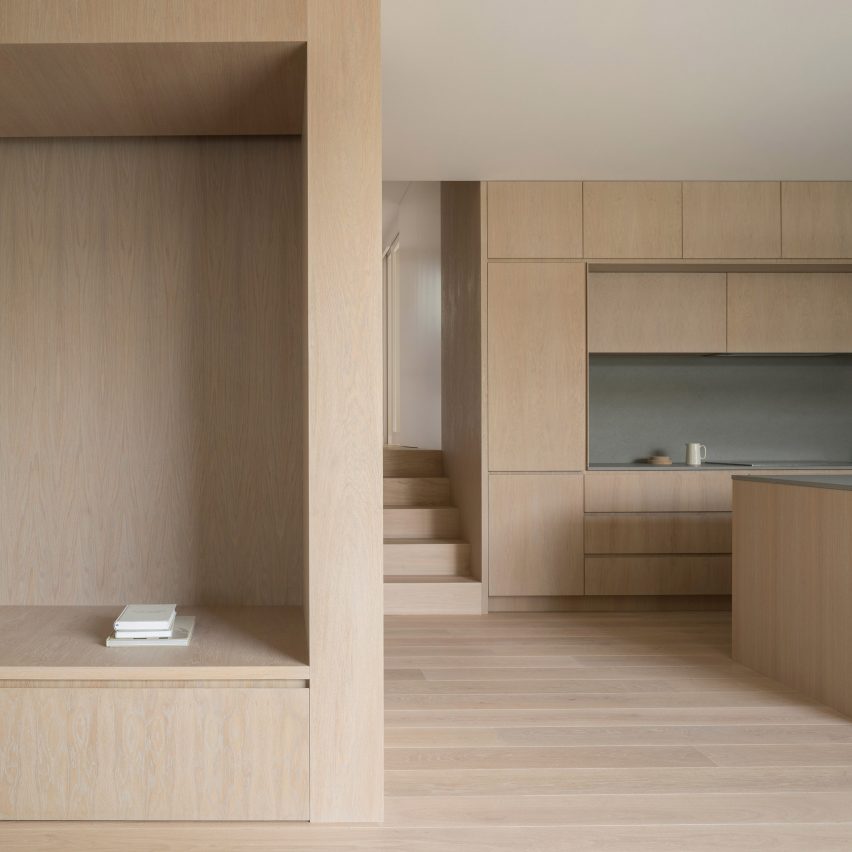
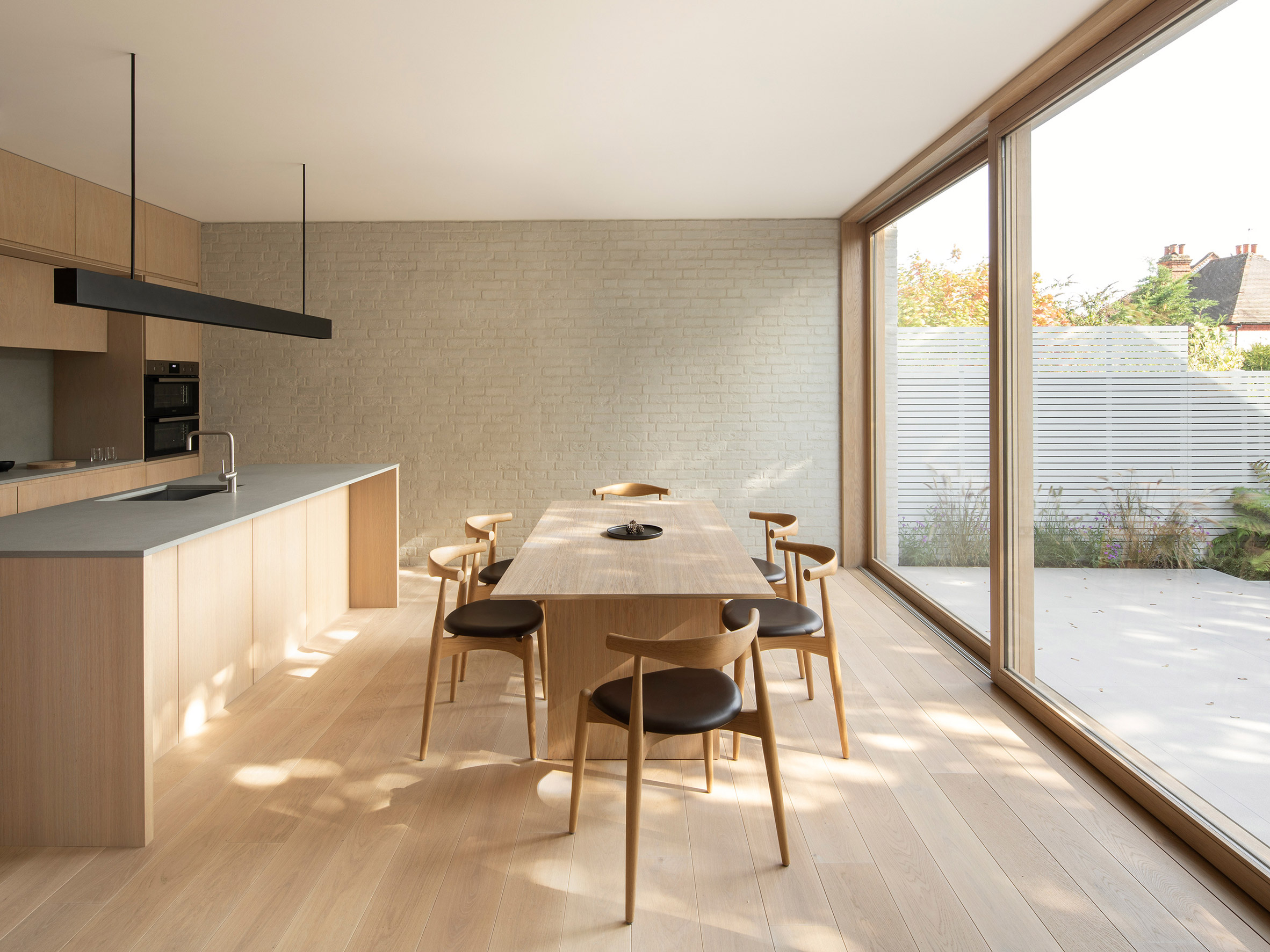
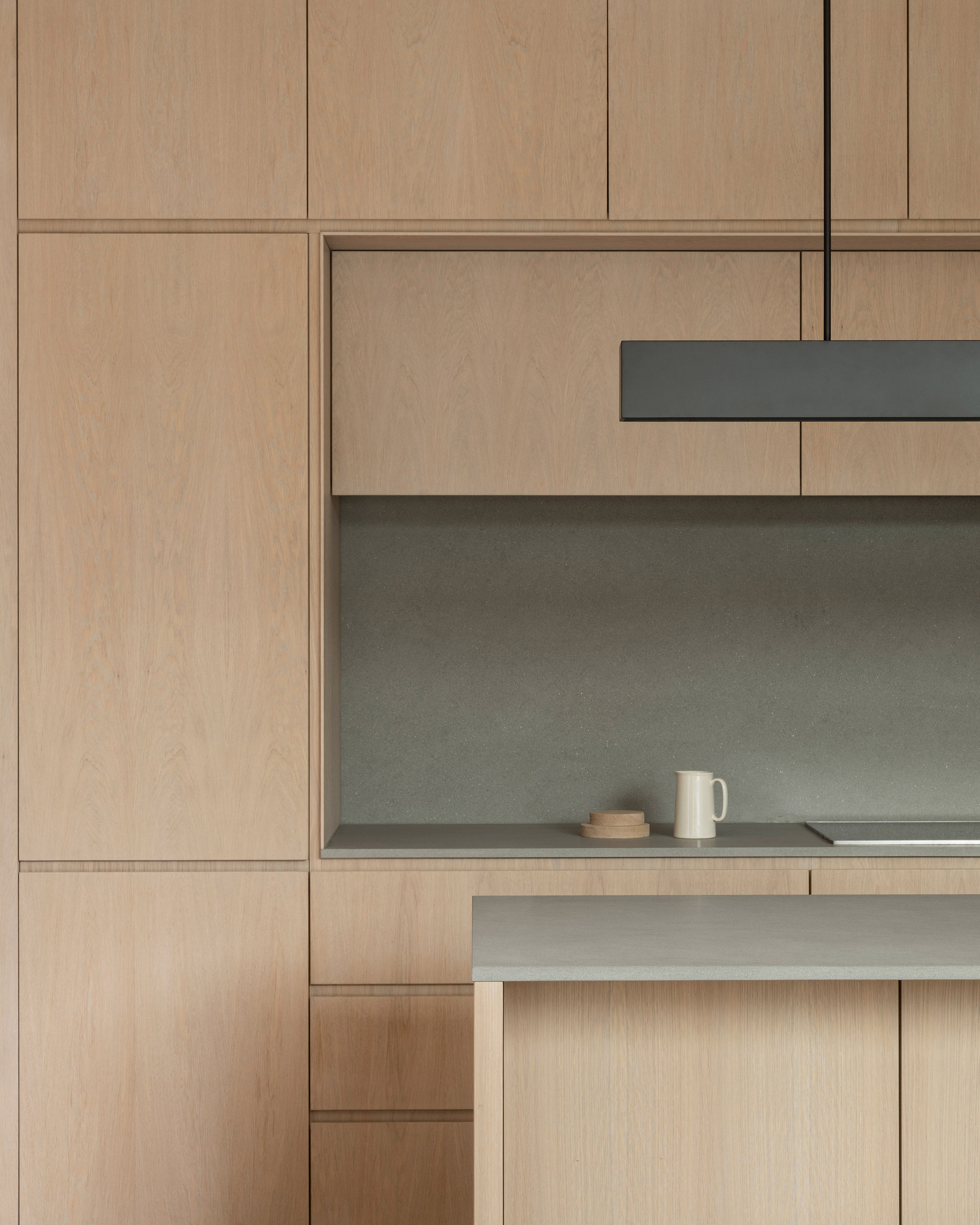
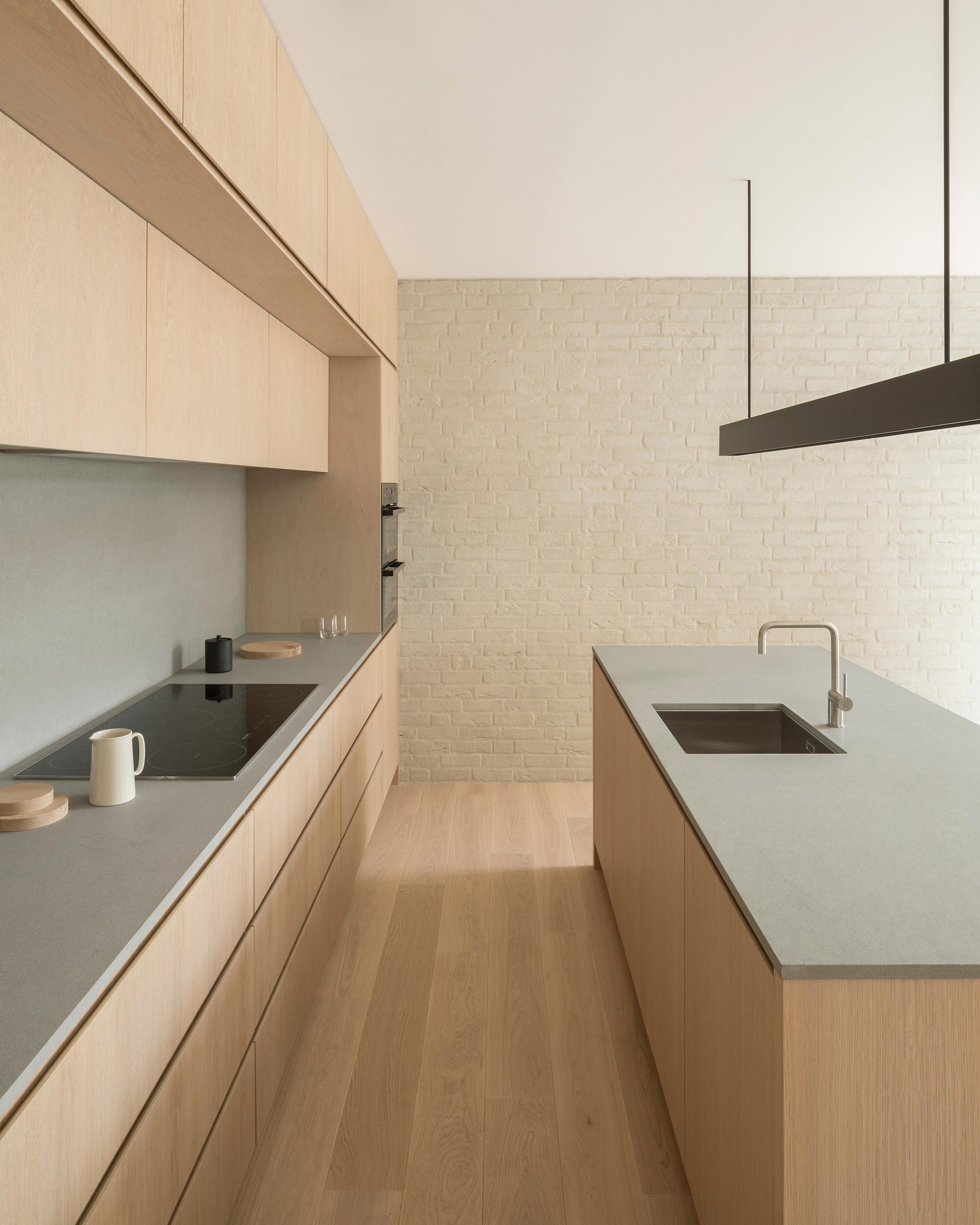
Architecture practice Thomas-McBrien extended a London house, adding a oak-lined reading nook and a utility room hidden behind a secret door along with a kitchen and dining space.

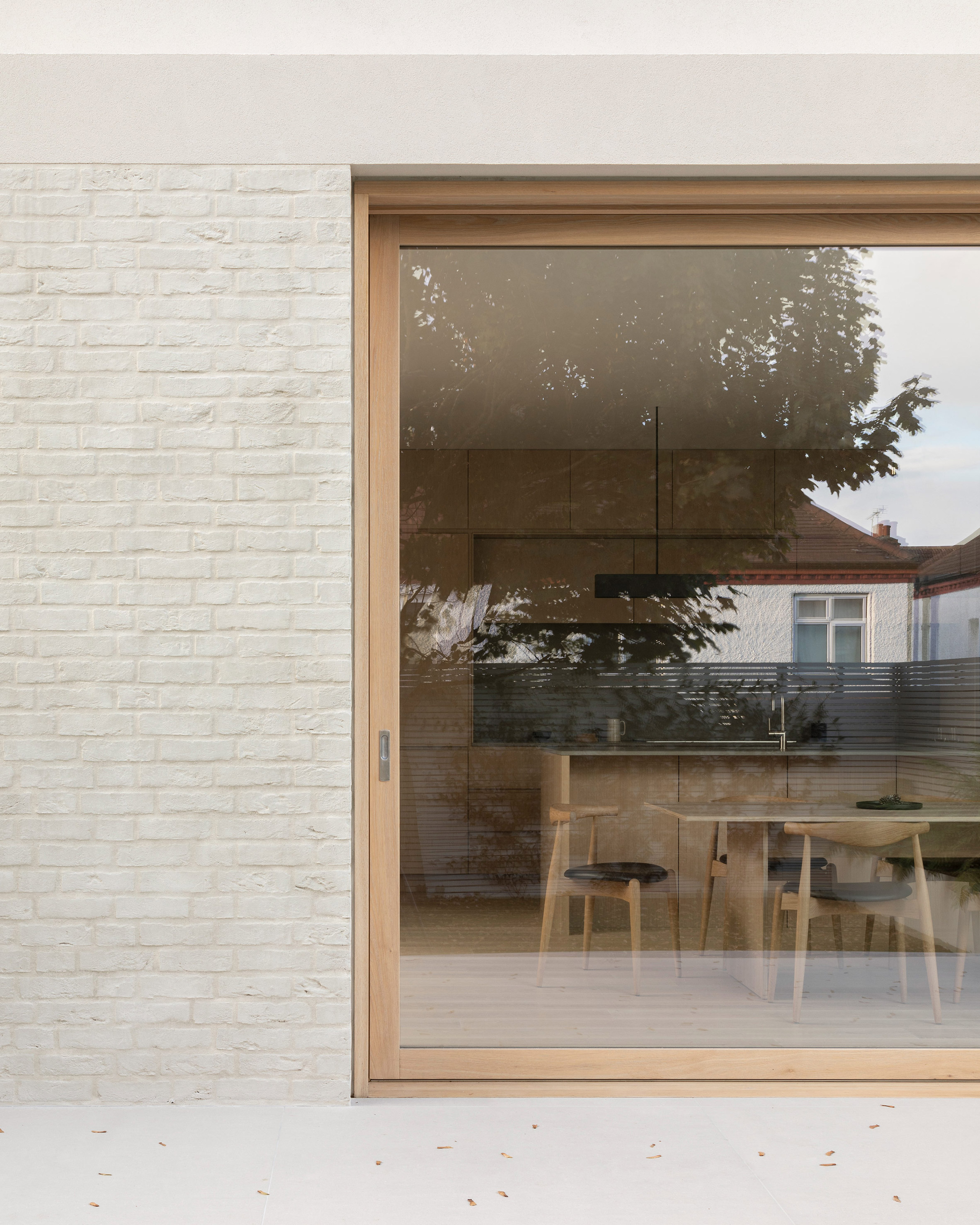
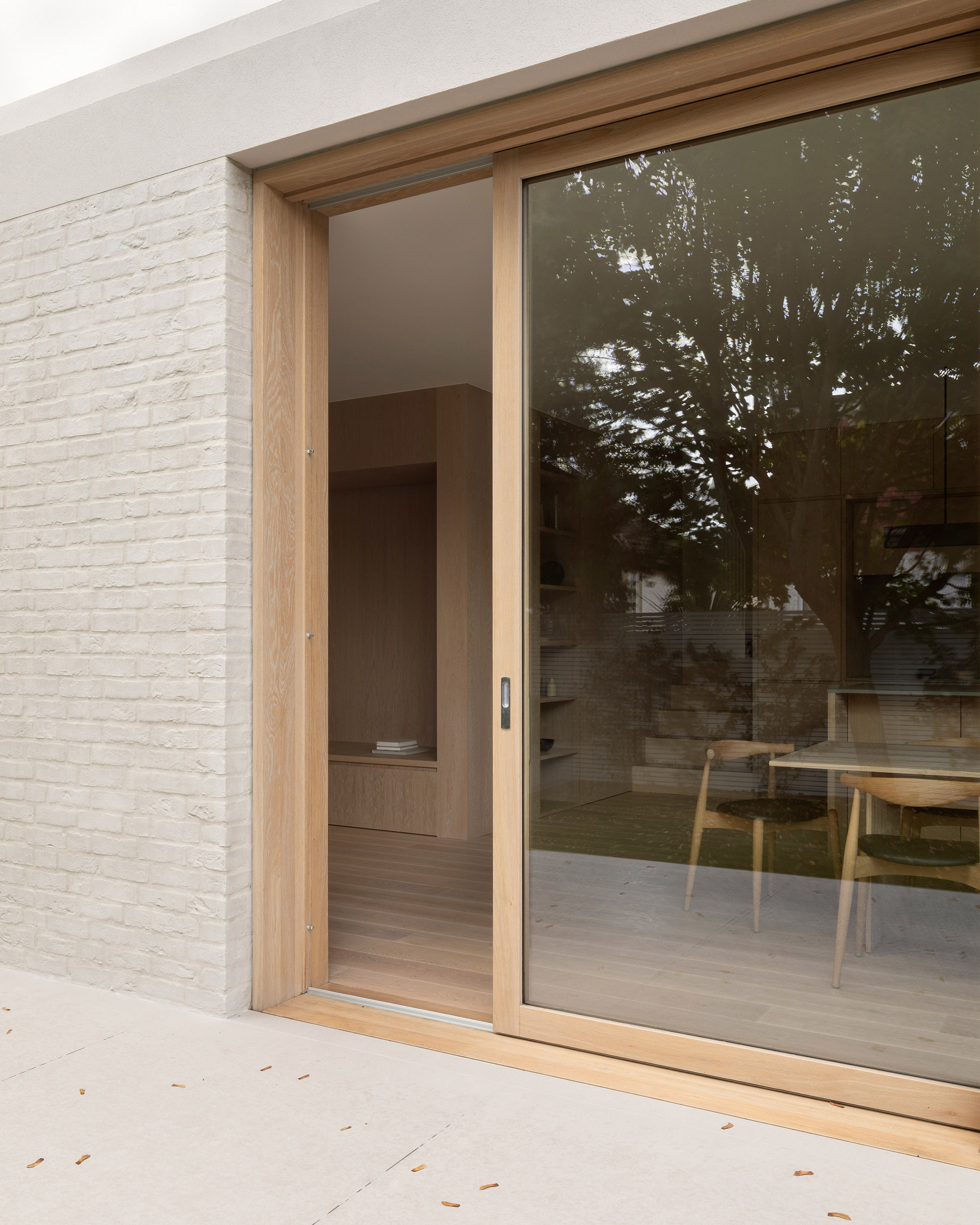
Pale, mortar-washed brick and lightly washed oak joinery were used, said the studio, to create a "calm and relaxing" space.

Dollis Hill Avenue by Thomas-McBrien

Called Dollis Hill Avenue, the project occupies a site that slopes down a total of 1.2 metres towards a rear garden.

The extension's design takes advantage of this by stepping down from the main house to create a split-level floor plan.

Running the full width of the existing property, the extension is one and a half floors below the existing ground floor.

A sliding, wood-framed door in the extension opens out onto a terrace formed by a set of wide, white steps that run is entire length.

Dollis Hill Avenue by Thomas-McBrien

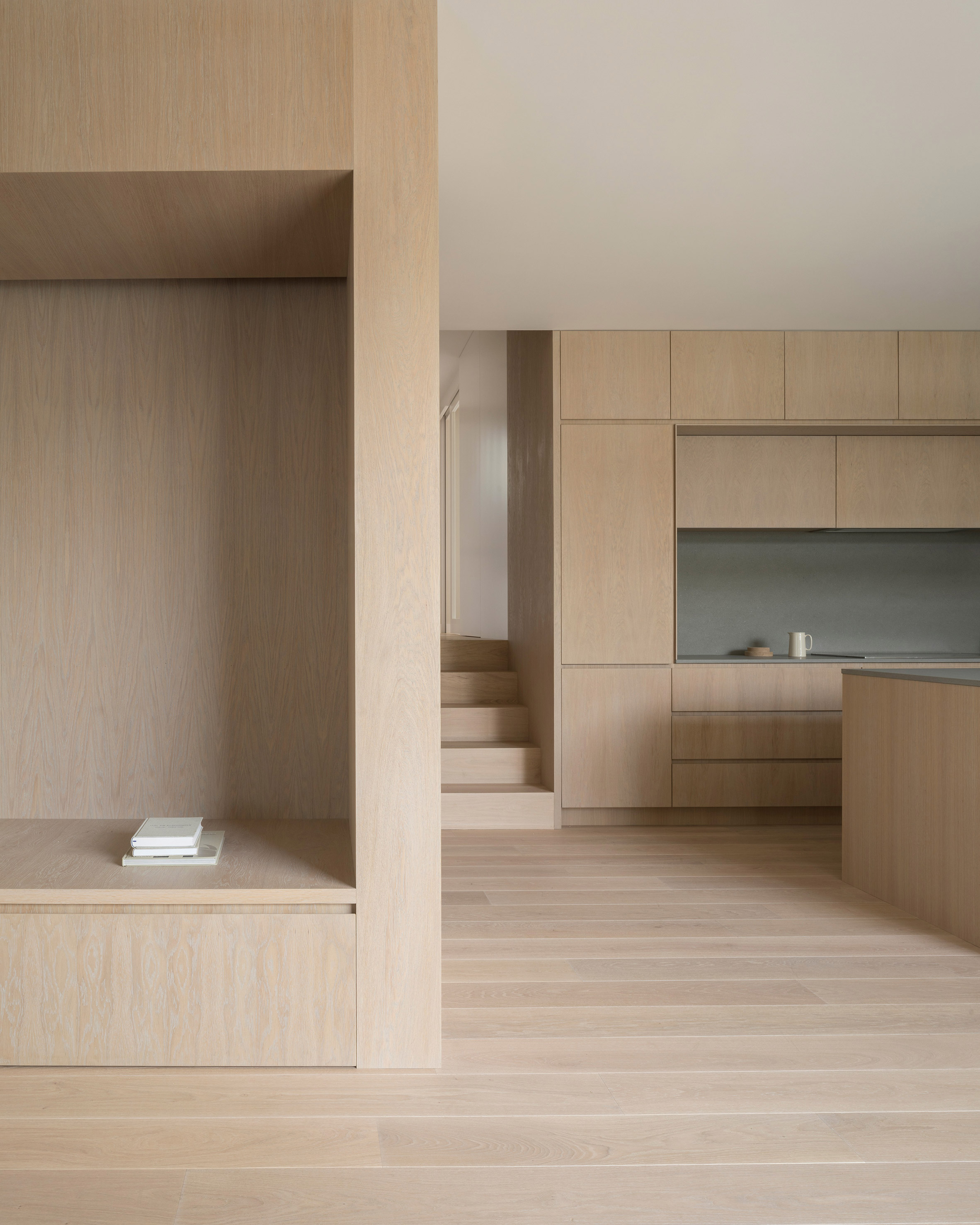
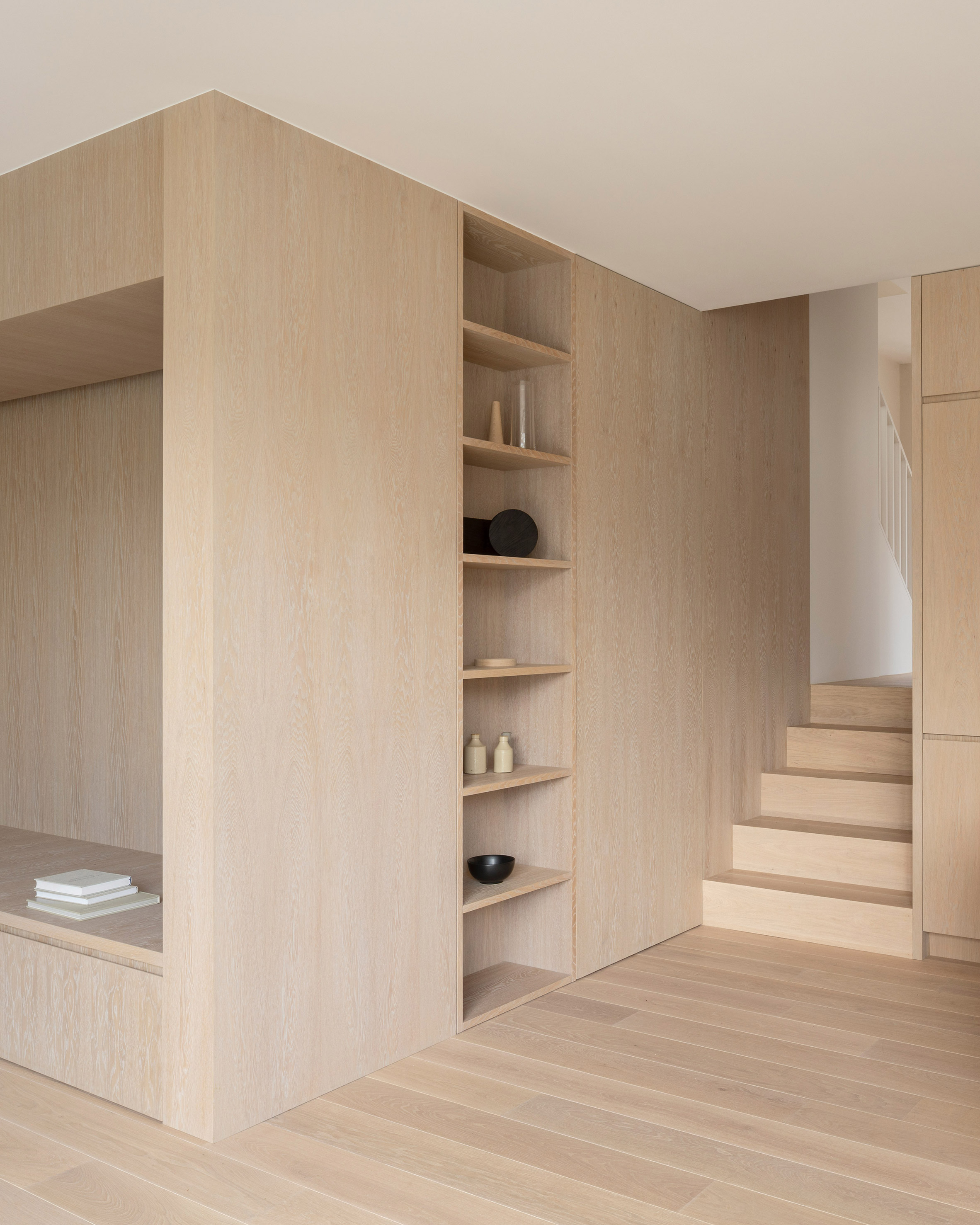
In addition to the kitchen and dining area, the new extension provides a utility and storage room concealed behind a deep, timber-lined partition.

This room is accessed via a hidden door that blends in with the wooden wall finishes.

Dollis Hill Avenue by Thomas-McBrien

This partition doubles as a seating alcove, which wraps around the western end of the room to create a window seat overlooking the garden.

"The insertion of a deep seating alcove in the joinery offers a comfortable, sheltered enclosure – a perfect place to read and relax," said the studio.

Dollis Hill Avenue by Thomas-McBrien

The pale white bricks have been left exposed at the two ends of the new space, working with the pale oak joinery and wooden floors to create a "calm and relaxing everyday space."

The front of the home has been opened up to match the warm, muted palette of the extension.

Dollis Hill Avenue by Thomas-McBrien

A sliding door opens the living room onto a corridor that leads down a set of steps wooden into the new spaces.

Above, the bedrooms now overlook the new flat-roofed extension, creating a visual continuity from the white-rendered walls of the home down to the garden terrace and steps.

Dollis Hill Avenue by Thomas-McBrien

East London-based Thomas-McBrien was founded in 2017 by Barry McBrien, and the studio is currently working on a range of residential projects as well some temporary installations.

London architect Larissa Johnson recently made similar use of built-in wooden fittings for a home in Islington, which centred around a plywood core.

Photography is by Ståle Eriksen.


Project Credits:

Architects: Thomas-McBrien – Barry McBrien, James Barber and Dominic Walker
Main contractor: NWL
Structural engineer: Constant SD
Building control: Assent Building Control
Party wall consultant: Roger Oakley & Co

The post Reading nook and a hidden room added in London house extension appeared first on Dezeen.


from Dezeen https://ift.tt/2OHYEdX

OMA completes tower made from trio of stacked triangles

Nhow Amsterdam RAI Hotel in Amsterdam by OMA

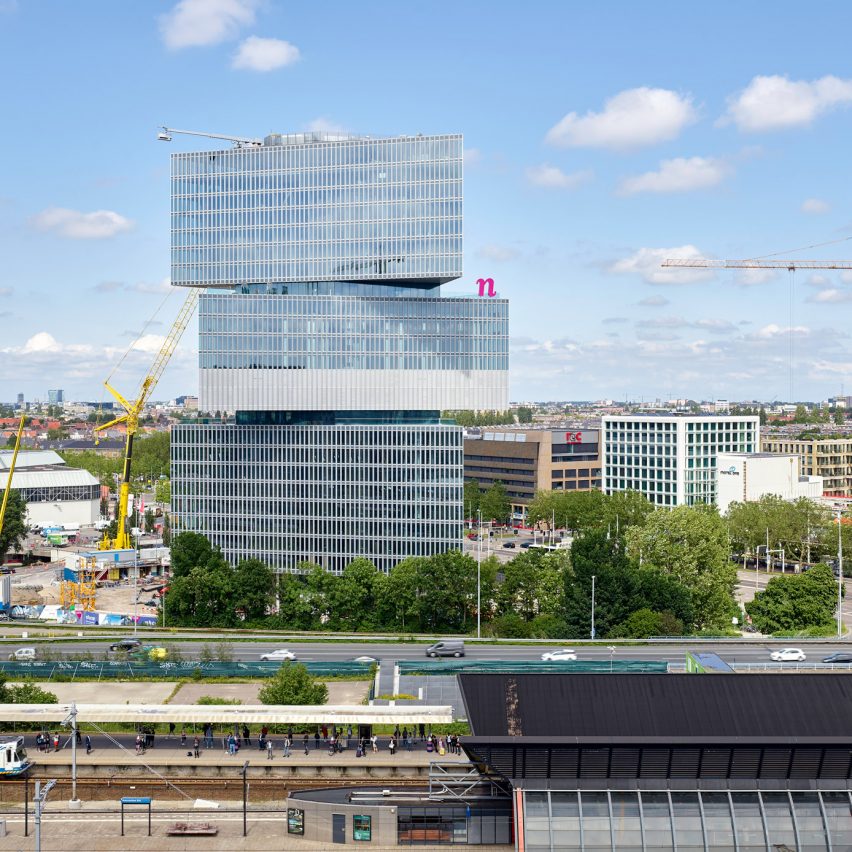
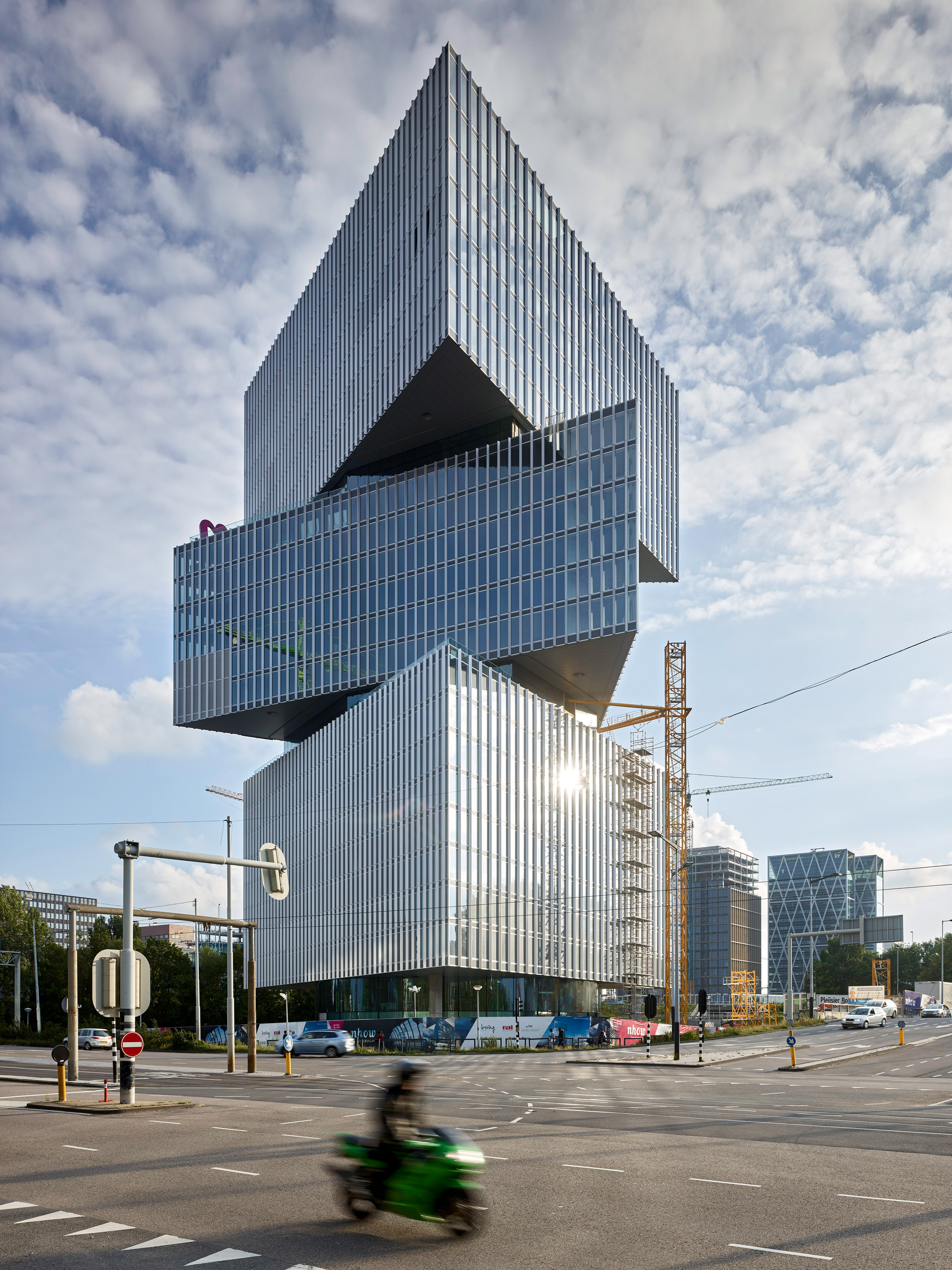
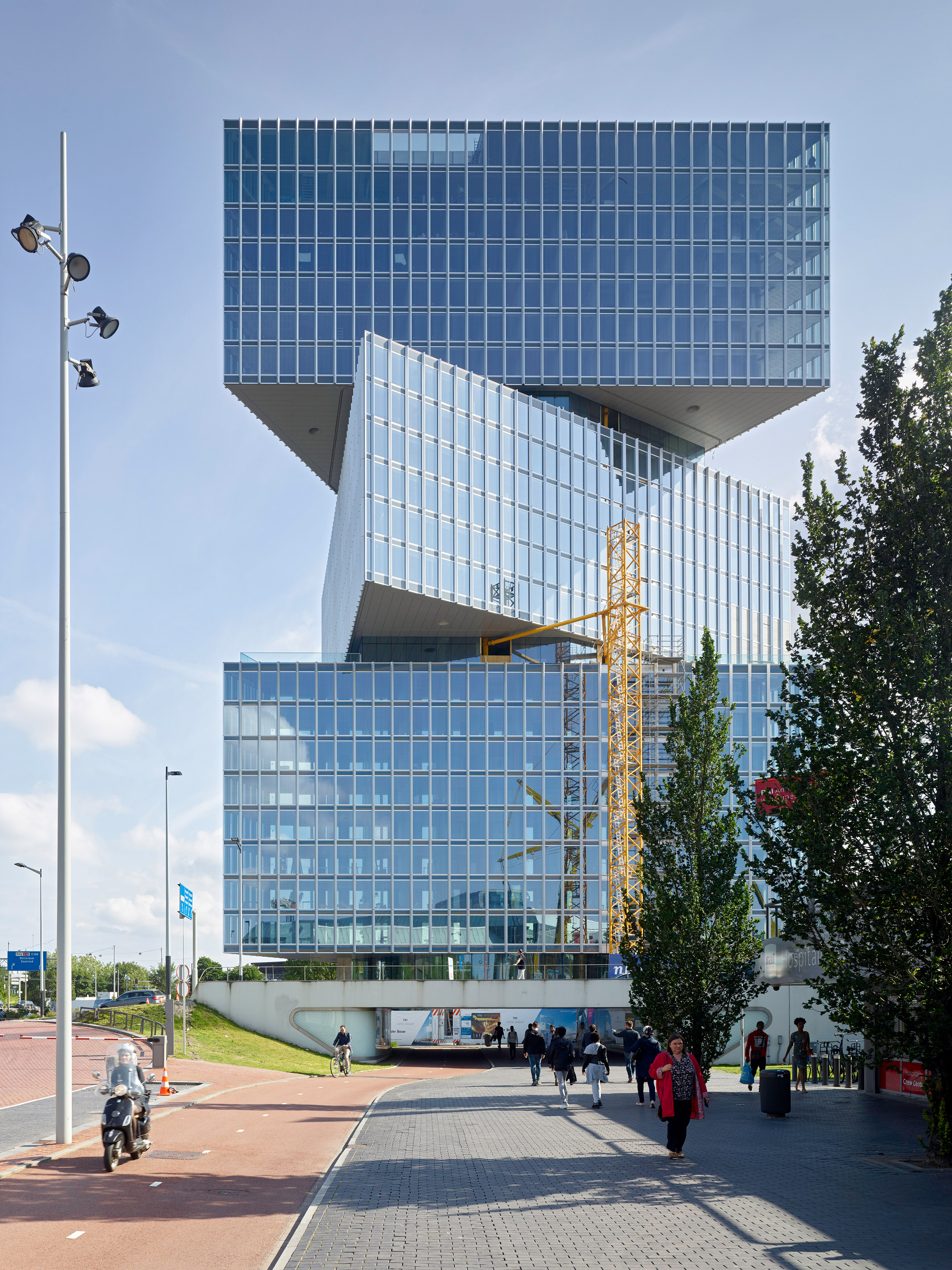
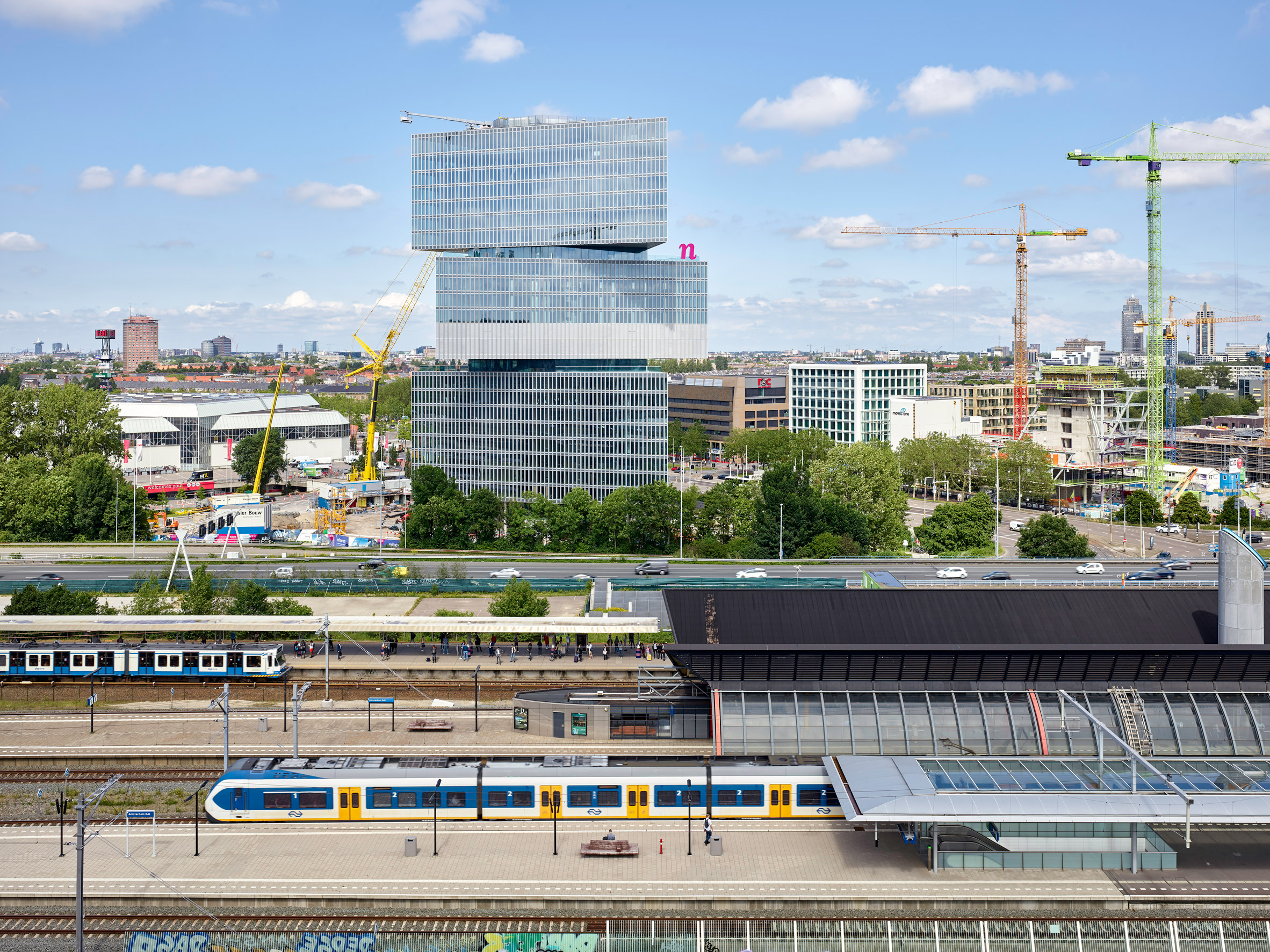
Dutch architect OMA has built the 24-storey Nhow Amsterdam RAI Hotel in Amsterdam, which is made from three triangular volumes stacked on top of each other.

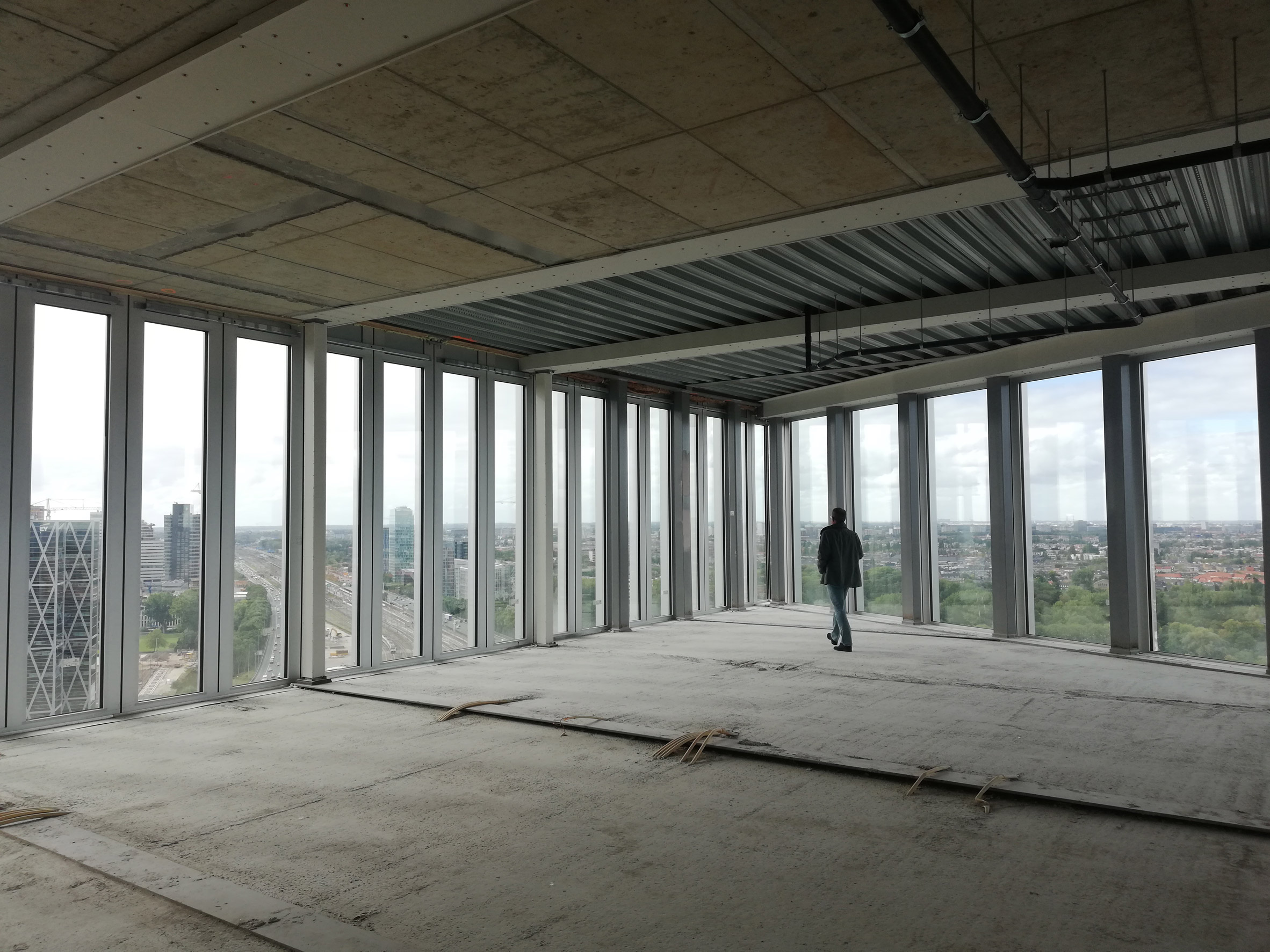
OMA has completed the tower, which is now being fitted out as a hotel for the NH Hotel Group, which owns the Nhow brand. When it opens it will have 650 rooms and be the largest hotel in Benelux – the grouping of Belgium, the Netherlands, and Luxembourg.

Nhow Amsterdam RAI Hotel in Amsterdam by OMA

The distinctive-shaped building is intended to be both interesting and fun, as well as allowing guests and locals to enjoy the virtues of modern architecture.

"I think it is important we learn to enjoy modernity again," said Reinier de Graaf, partner at OMA.

"Given how much progressive values – and consequently modern architecture too – are under attack these days, I don't think we can stress enough the virtues of either," he told Dezeen.

Nhow Amsterdam RAI Hotel in Amsterdam by OMA

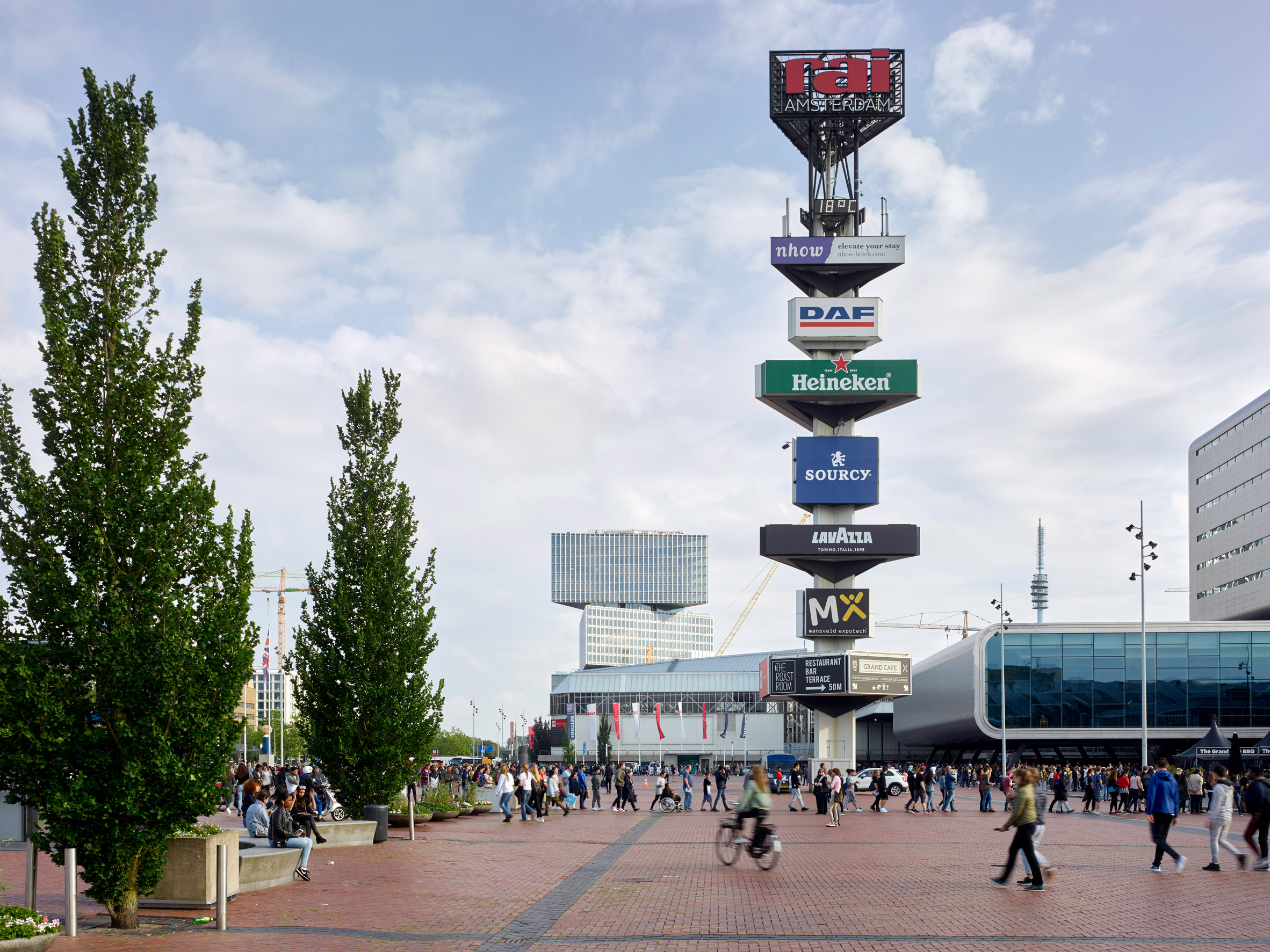
The hotel is located alongside the RAI convention centre and its distinctive form is a reference to an advertisement column, which was once the tallest structure in the local area.

"When this complex was built, in 1961, this column was the tallest structure in the area, but has since been surpassed by a multitude of much taller office buildings erected nearby," said De Graaf.

"Derived from this column, the hotel can be read both as an extension of the RAI complex itself and as part of the new context, giving the RAI a new presence in a dramatically changed cityscape."

Nhow Amsterdam RAI Hotel in Amsterdam by OMA

The three triangular volumes will contain hotels rooms, with 24 to 36 rooms placed in each floor, allowing views over the cityscape.

"The building form functions perfectly for a hotel, orienting its rooms to the three main views: to Amsterdam's old city centre to the north, the airport to the southwest and to Amsterdam's modern extensions in the southeast," explained De Graaf.

Nhow Amsterdam RAI Hotel in Amsterdam by OMA

The triangles sit on a two-storey circular podium, which will contain shops on the ground floor and the hotel's lounge and bar on the first floor.

At the top of the building will be three storeys of meeting spaces and conference rooms alongside a broadcasting studio, where a daily television show will be broadcast.

Nhow Amsterdam RAI Hotel in Amsterdam by OMA

OMA is a Dutch architecture studio founded in 1975 by Dutch architect Rem Koolhaas.

The studio is currently designing a residential tower in Kuwait City, a department store in Vienna, a waterfront conference centre in Shenzhen and an extension to the New Museum in New York.


Project credits:

Architect: OMA
Partner-in-charge: Reinier de Graaf, Rem Koolhaas (competition)
Associate in charge: Michel van de Kar
Contractor: Pleijsierbouw
Structure: Van Rossum Raadgevende Ingenieurs
MEP & Vertical circulation: Techniplan Adviseurs BV
BREEAM consultant: Techniplan Adviseurs BV
Fire consultant: Royal HaskoningDHV
Acoustic consultant: Royal HaskoningDHV
BIM coordinator: Van den Berg Groep

The post OMA completes tower made from trio of stacked triangles appeared first on Dezeen.


from Dezeen https://ift.tt/2rLBLx4

Dezeen's top 10 churches and chapels of 2019

Dezeen's top 10 churches and chapels of 2019

We're kicking off our review of 2019 with Dezeen's top 10 churches and chapels, including a skyscraper church in Hong Kong and a log cabin in Germany, as well as religious buildings in Norway, Lebanon, South Korea and Mexico.


Dezeen's top 10 churches and chapels of 2019

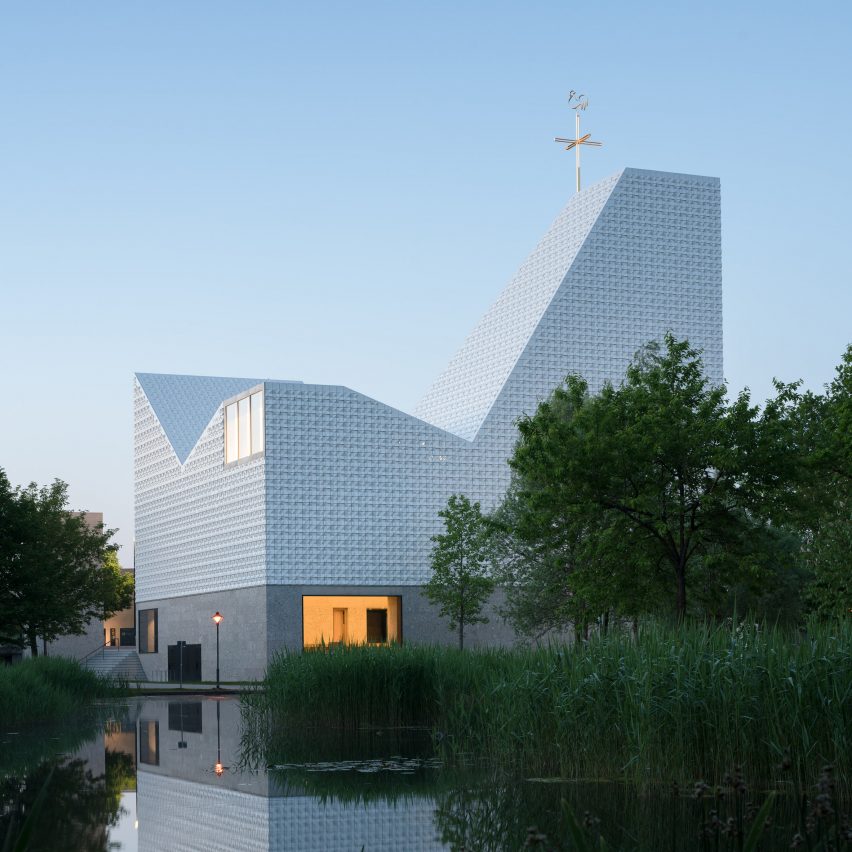
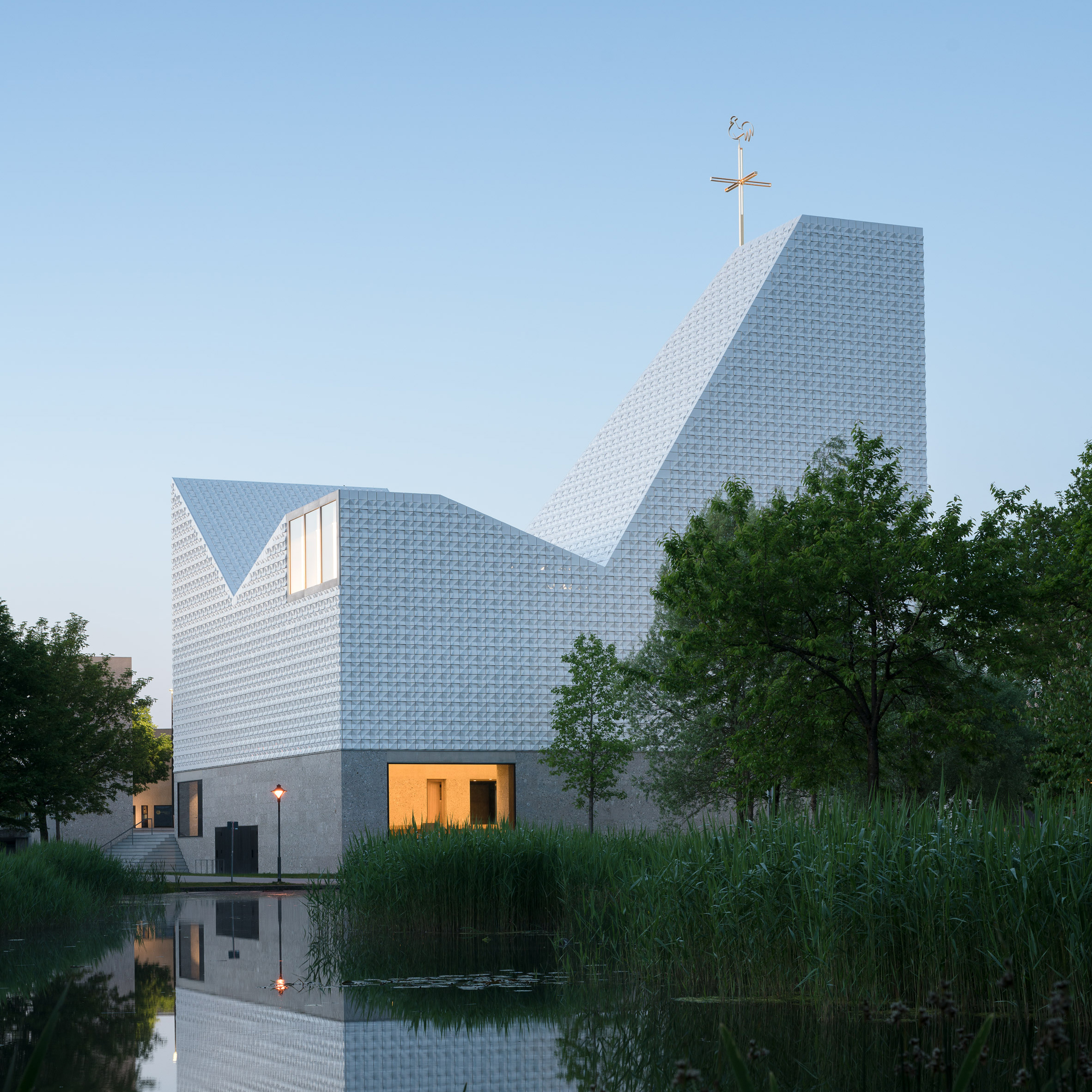
Seliger Pater Rupert Mayer, Germany, by Meck Architekten 

Built in the town of Poing, near Munich, the asymmetric ceramic-clad church was designed to be a landmark for the growing town.

Above a single-storey base made of grey, stone blocks, the church's roof is made from four geometric forms clad in 15,000 three-dimensional tiles, which each have a form that matches the overall shape of the building's roof.

See more of Seliger Pater Rupert Mayer Church ›


Dezeen's top 10 churches and chapels of 2019

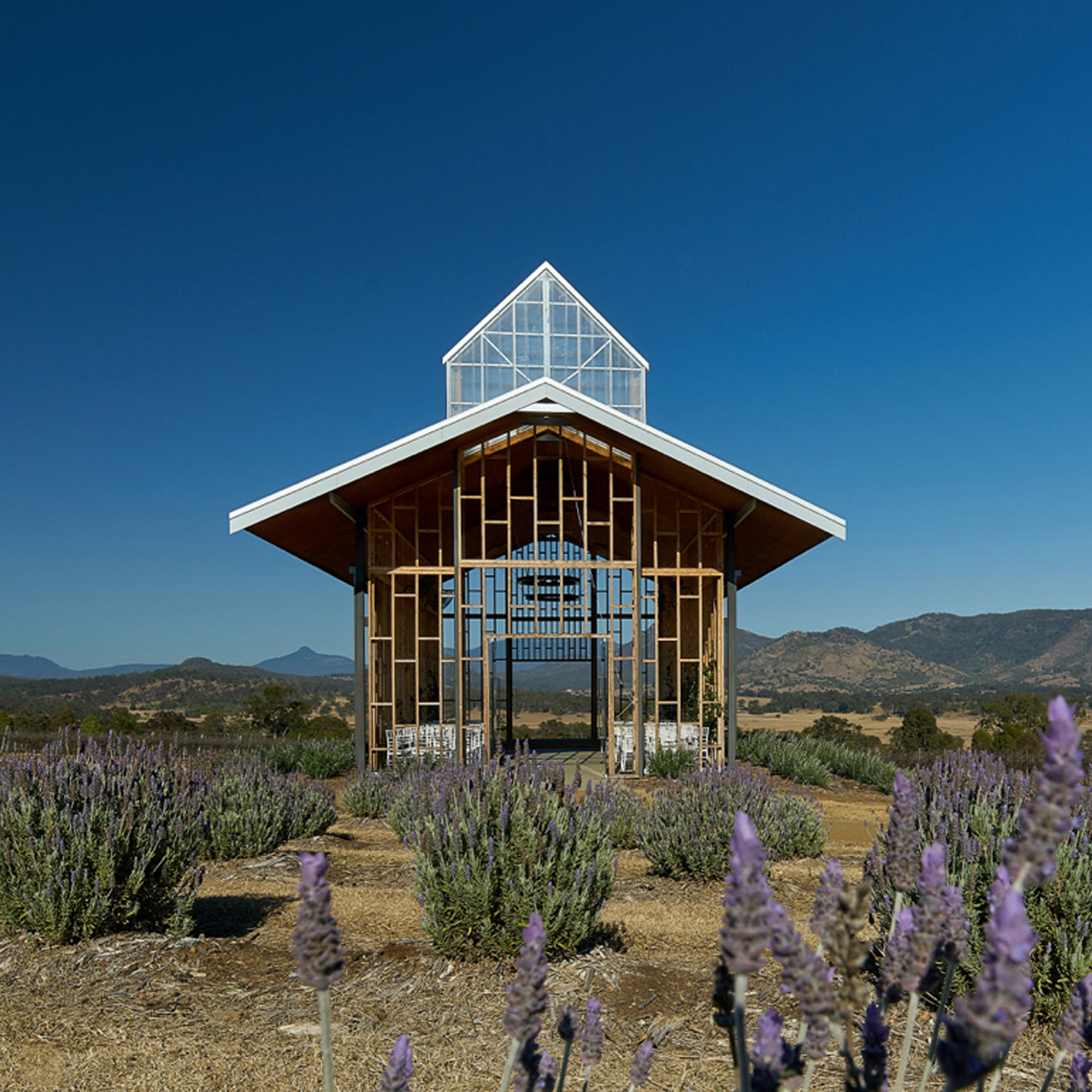
Kooroomba Chapel, Australia, by Wilson Architects

Wilson Architects designed the Kooroomba Chapel to be a wedding venue on the  Kooroomba Lavender Farm & Vineyard in Mount Alford, Australia.

The chapel's timber-framed walls are designed so that creeping plants will grow up them and give the building the appearance of a ruin.

See more of Kooroomba Chapel ›


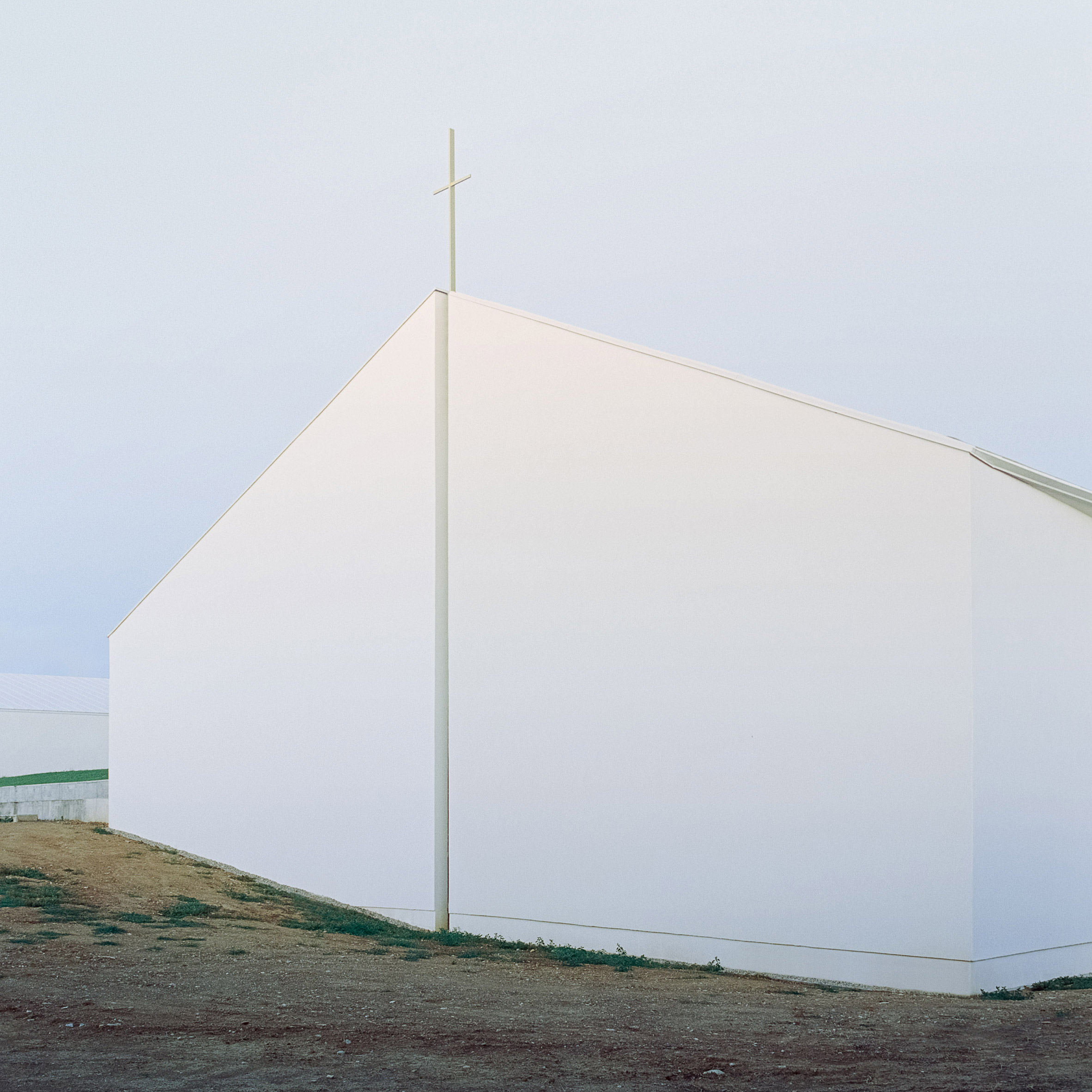
Church of the Penitent Thief, Bologna, Italy, by INOUTarchitettura, LADO architetti and LAMBER + LAMBER

Built with the help of inmates from the La Dozza prison as part of their rehabilitation, the Church of the Penitent Thief has a stripped-back minimalist form.

The white church is divided in two by an inlaid glass cut that runs along the ridge of the building's roof and down both its facades.

See more of Church of the Penitent Thief ›


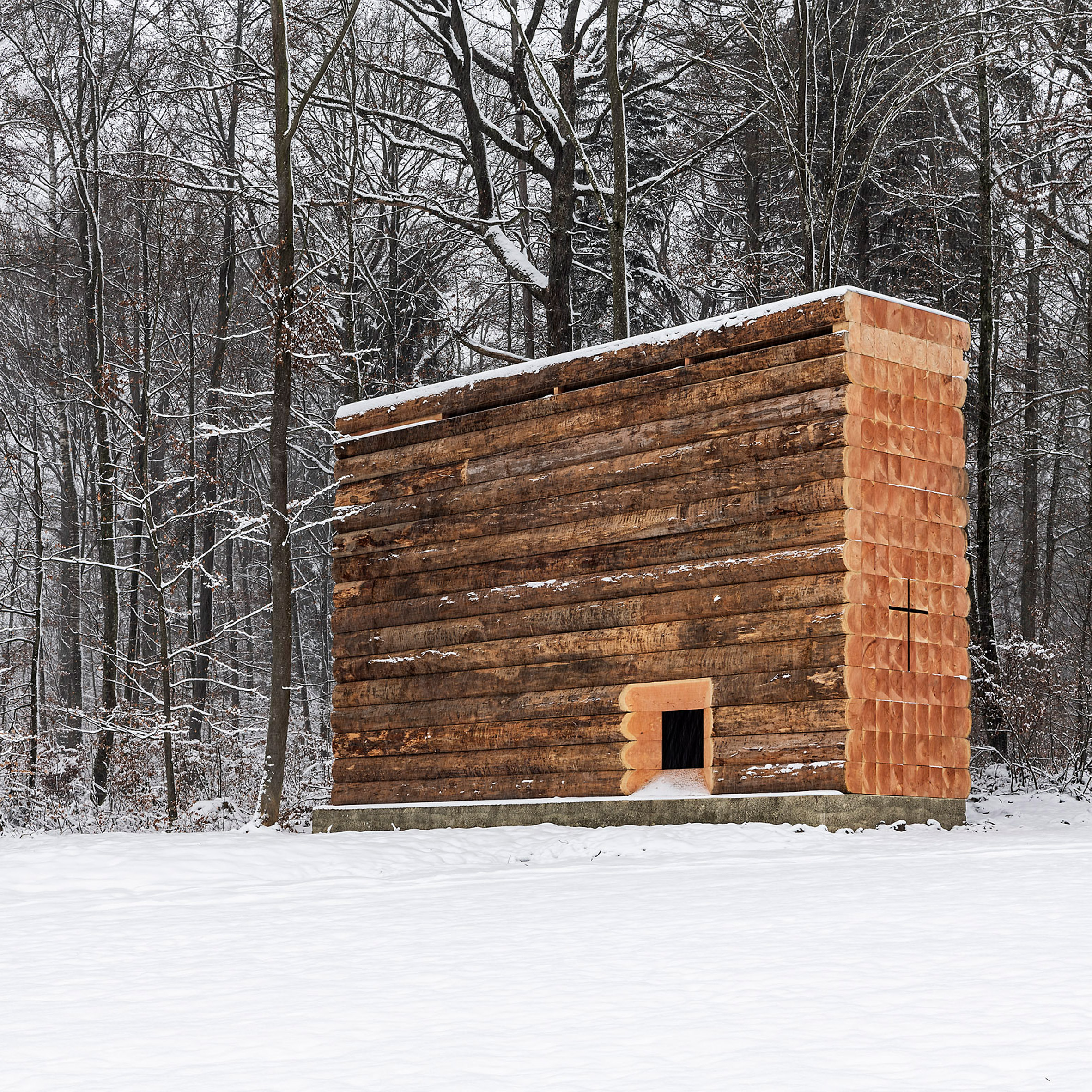
Wooden Chapel, Germany, by John Pawson

British designer John Pawson designed the wooden chapel as one of seven rest stops on a cycling path that runs through the Bavarian Forest in southern Germany.

The building is made from 144 stacked Douglas fir logs that are arranged so that they enclose a single room that is used for rest and contemplation.

See more of Wooden Chapel ›


Dezeen's top 10 churches and chapels of 2019

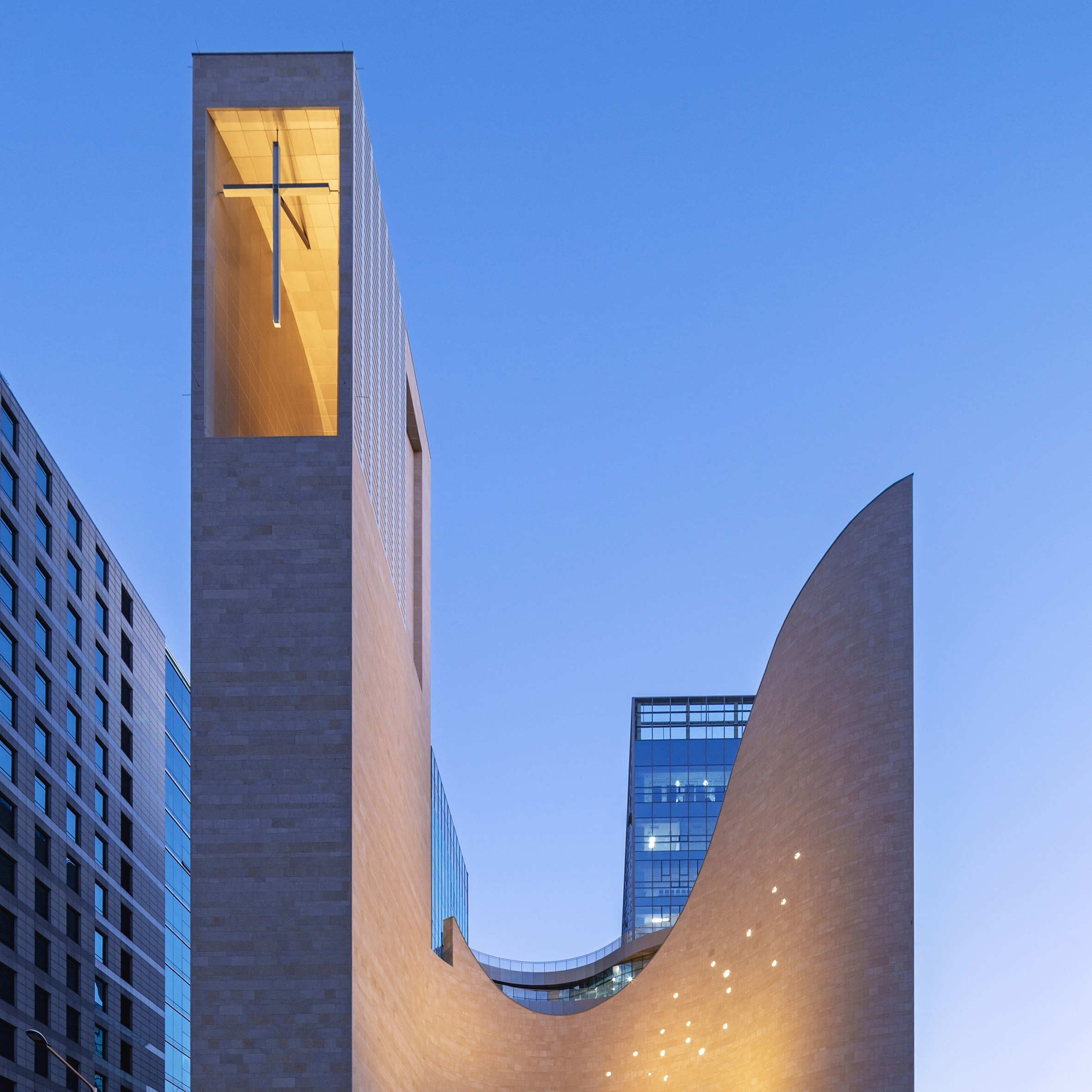
Saemoonan Church, Seoul, South Korea, by Seoinn Design Group

Seoinn Design Group designed this thirteen-storey building as the home for the oldest established protestant church in South Korea.

Know as the Mother Church, the building's main facade extends forward on either side of a plaza and rises to form two towers. One of these towers has been designed as a contemporary spire, with a cross hanging over an observatory.

See more of Saemoonan Church ›


Dezeen's top 10 churches and chapels of 2019

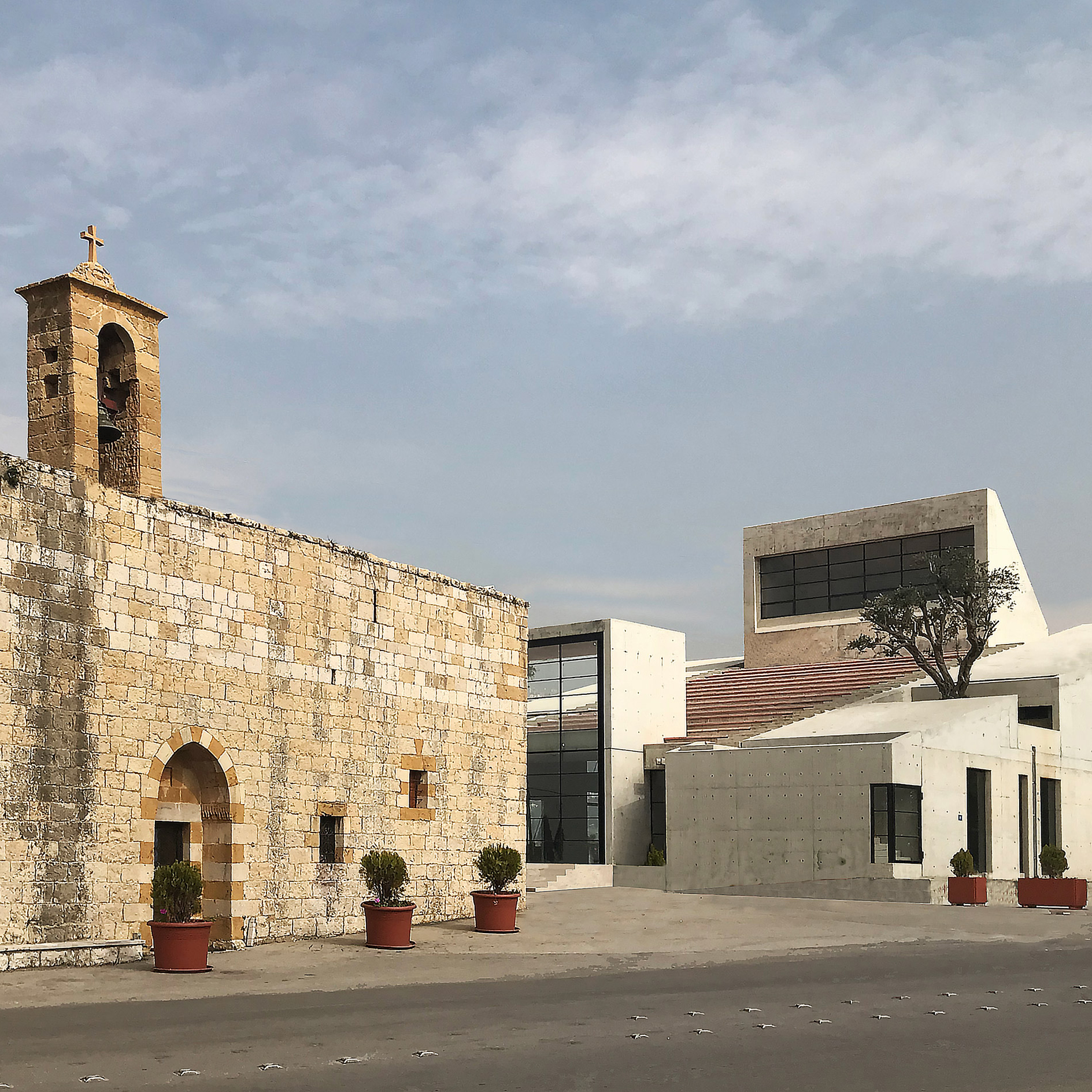
Saint-Charbel Church, Zakrit, Lebanon, by Blankpage Architects 

Blankpage Architects designed the Saint-Charbel Church in the small town of Zakrit overlooking the Mediterranean Sea to compliment a small, 18th-century, limestone chapel that it stands alongside.

The church has a wedge-shaped form that rises from the height of the existing chapel and is topped with a rooftop amphitheatre.

See more of Saint-Charbel Church ›


Dezeen's top 10 churches and chapels of 2019

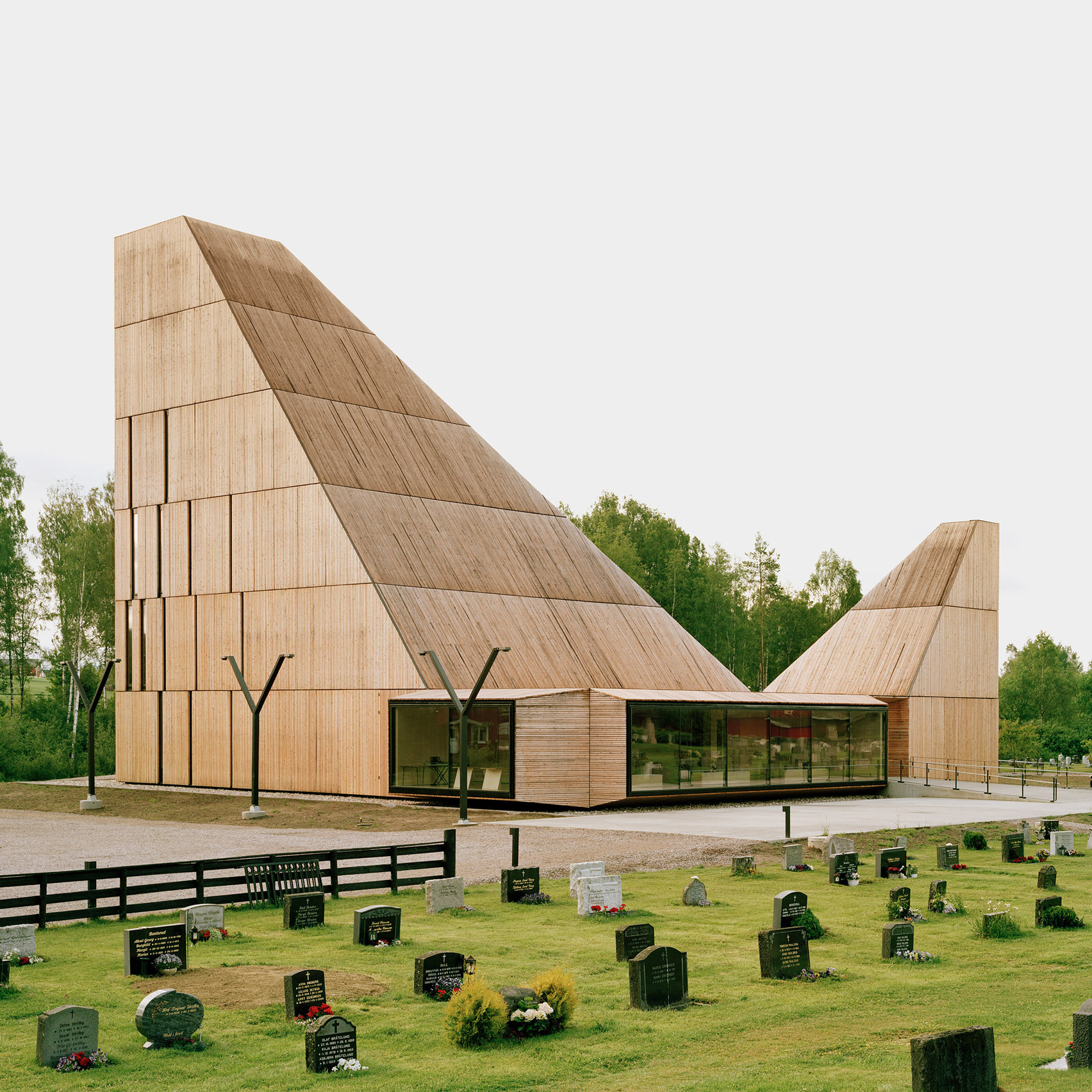
Våler Kirke, Norway, by Espen Surnevik

Replacing a historic wooden church that was destroyed by fire in 2009, the new Våler Kirke was designed by Espen Surnevik to honour the memory of the previous building.

The church, which is topped with two pyramidal timber roofs, was built on the existing procession axis and has its entrance aligned with the position of the previous 19th-century building.

See more of Våler Kirke ›


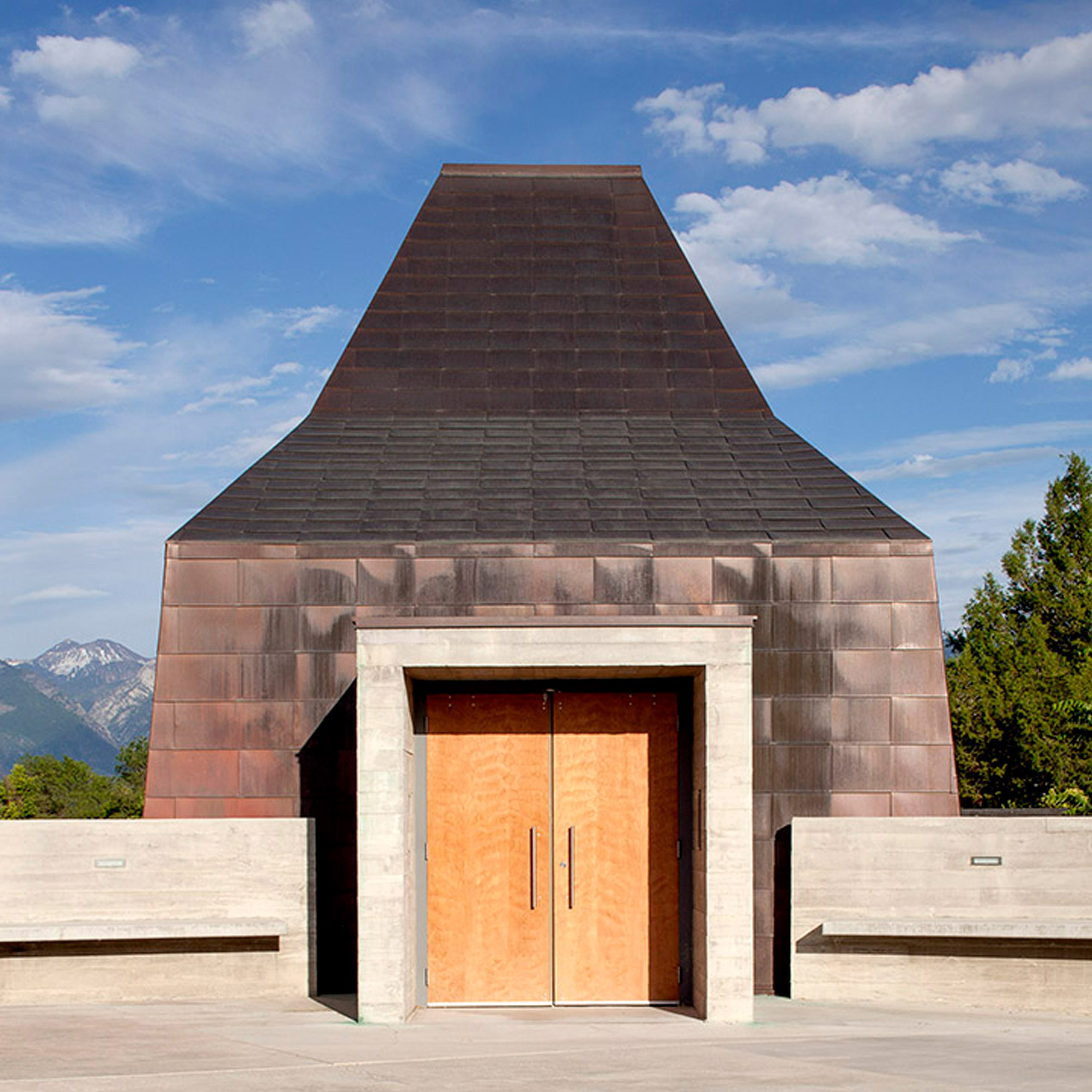
Chapel of the Mines, Salt Lake City, USA, by Sparano + Mooney Architecture

Built near Bingham Canyon Copper Mine – one of the largest mines in the world, in the West Jordan suburb of Salt Lake City, the chapel will be used for daily worship as part of the Saint Joseph the Worker Catholic Church.

The chapel has a funnel-shaped roof that is clad in copper and topped with a skylight.

See more of Chapel of the Mines ›


Dezeen's top 10 churches and chapels of 2019

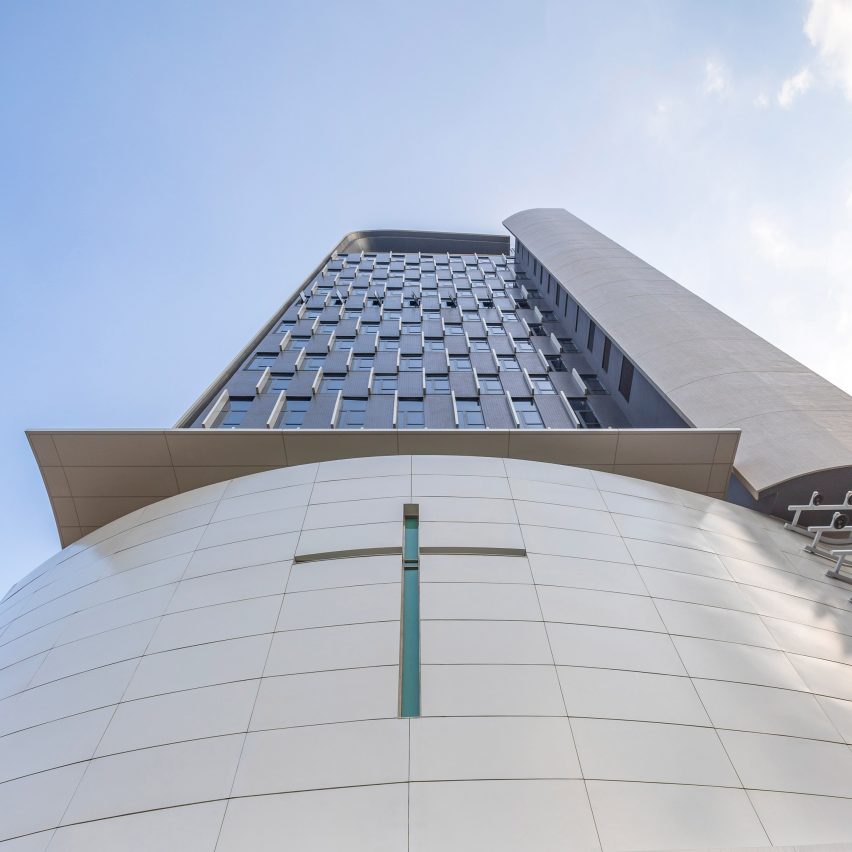
Wesleyan House Methodist International Church, Hong Kong, by Rocco Design Architects

Described by its architect as "a vertical skyscraper church", the Wesleyan House Methodist International Church occupies the entirety of a 21-storey high-rise building in Hong Kong.

The majority of its public areas, including the main auditorium and worship hall, are located on the lower floors, while the tower is topped with a sky chapel.

See more of Wesleyan House Methodist International Church ›


Dezeen's top 10 churches and chapels of 2019

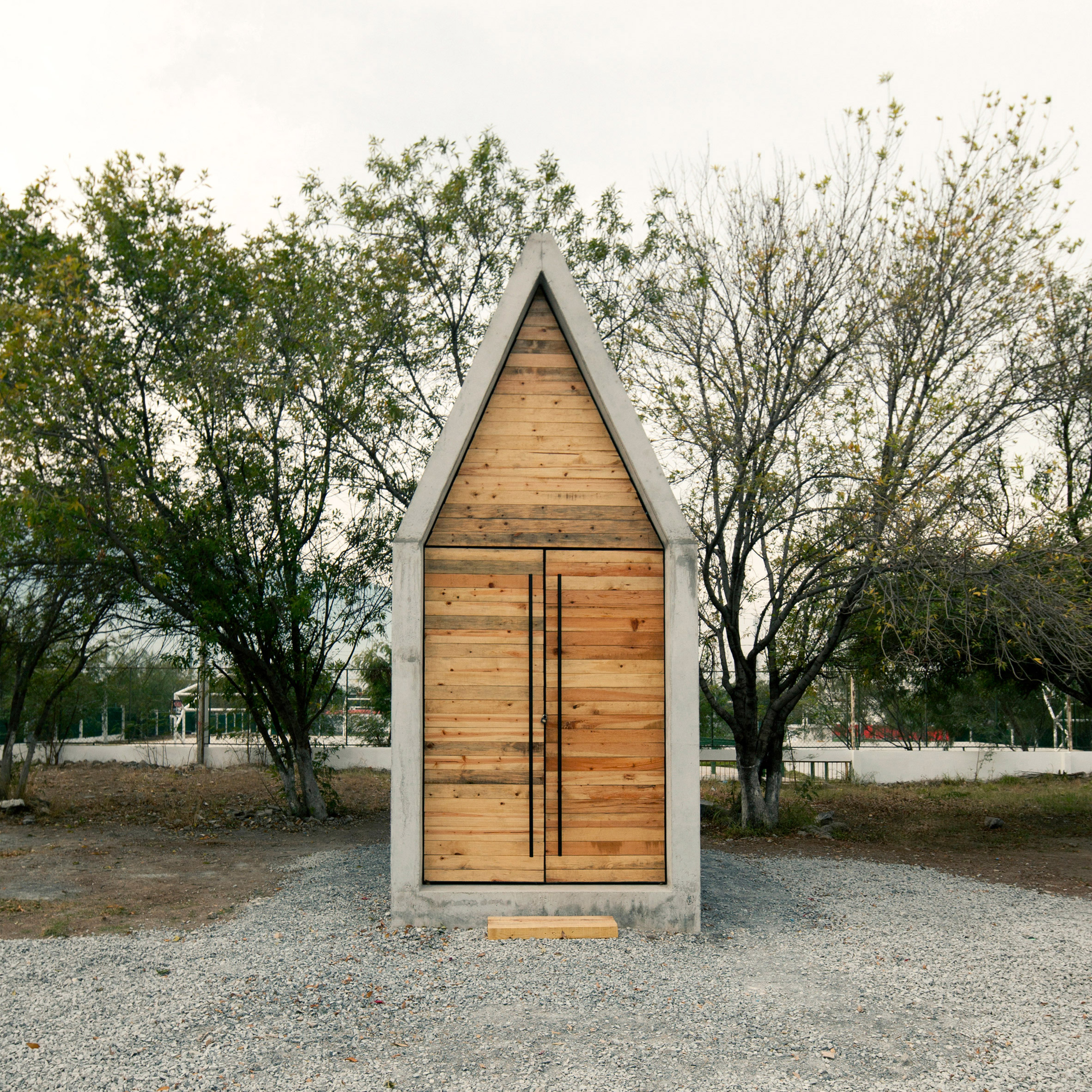
Chapel at San Rafael Arcangel, Monterrey, Mexico, by S-AR

Mexican studio S-AR designed a small, 7.8-metre-square chapel alongside the existing San Rafael Arcangel church in the city of Monterrey.

The slim, pitched-roof chapel is made from reinforced concrete slabs, with a front wall made from pine boards. Inside the chapel is a single room with a simple, thin window and a bench made from pine.

See more of Chapel at San Rafael Arcangel ›

The post Dezeen's top 10 churches and chapels of 2019 appeared first on Dezeen.


from Dezeen https://ift.tt/37WZtY0

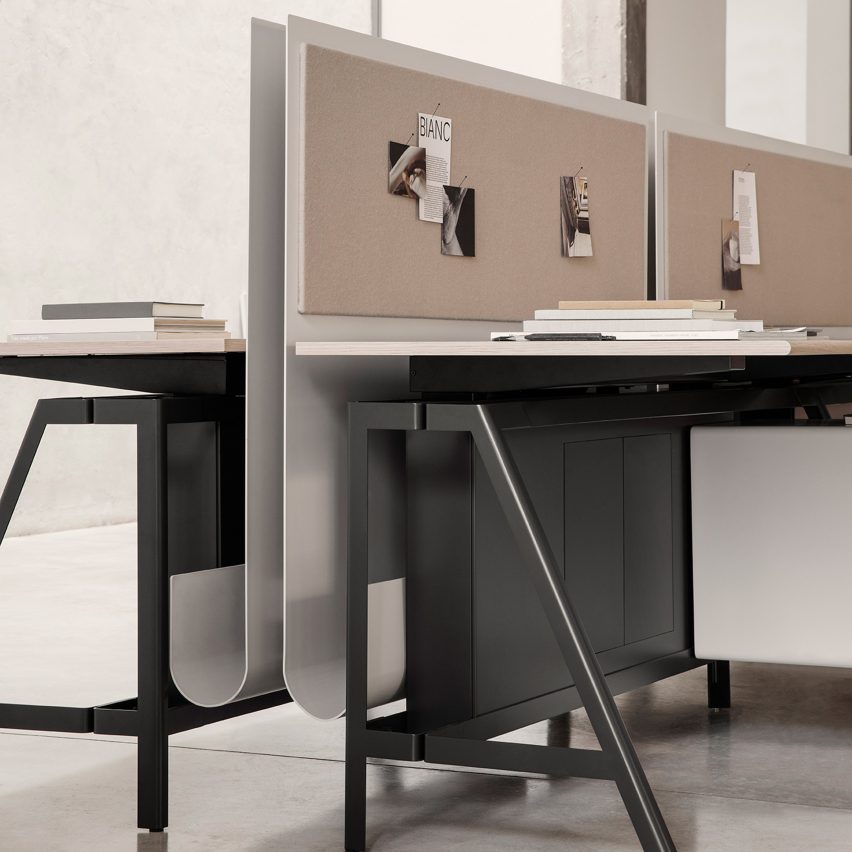
IOC designs Solari workstation in collaboration with Gensler

Dezeen Showroom: trestle legs and a customisable, J-shaped privacy screen distinguish the Solari desk system, developed by Italian office...